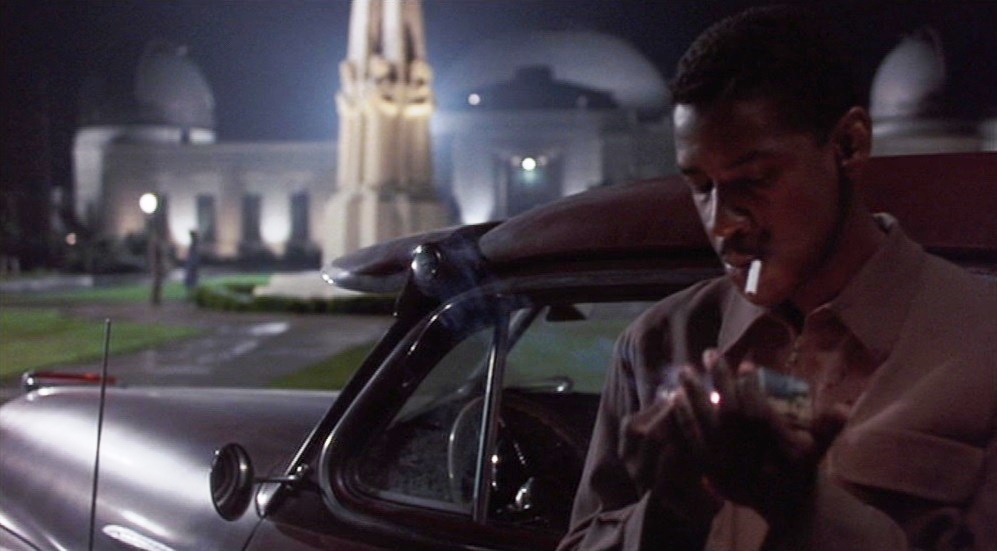
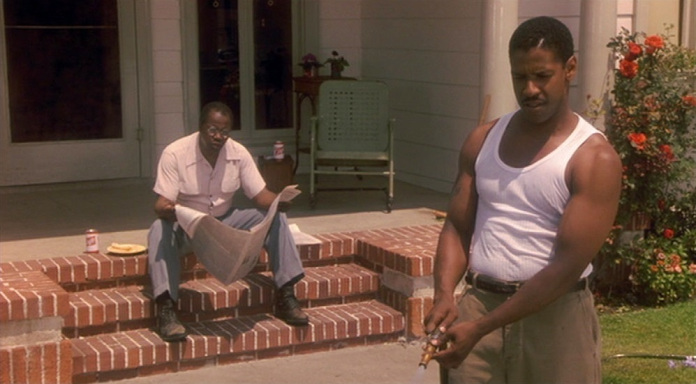
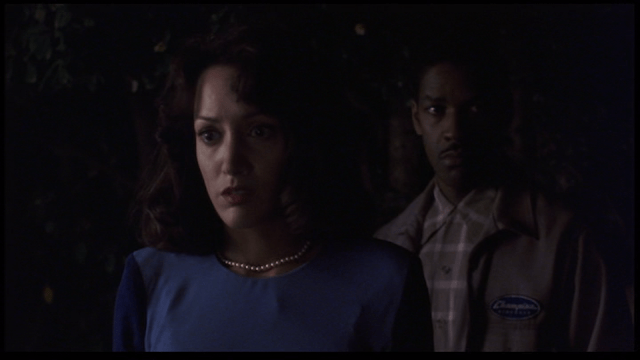
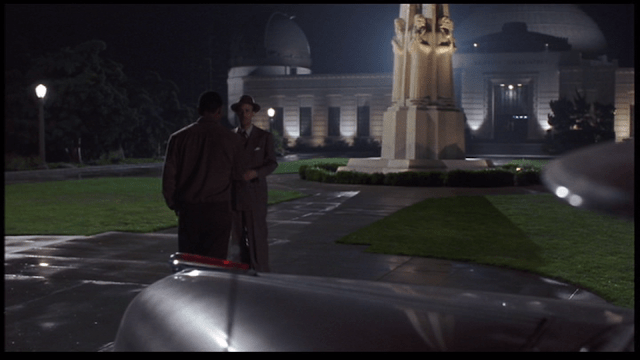
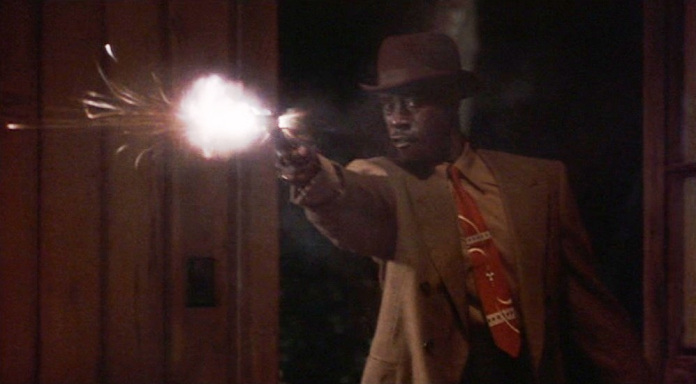
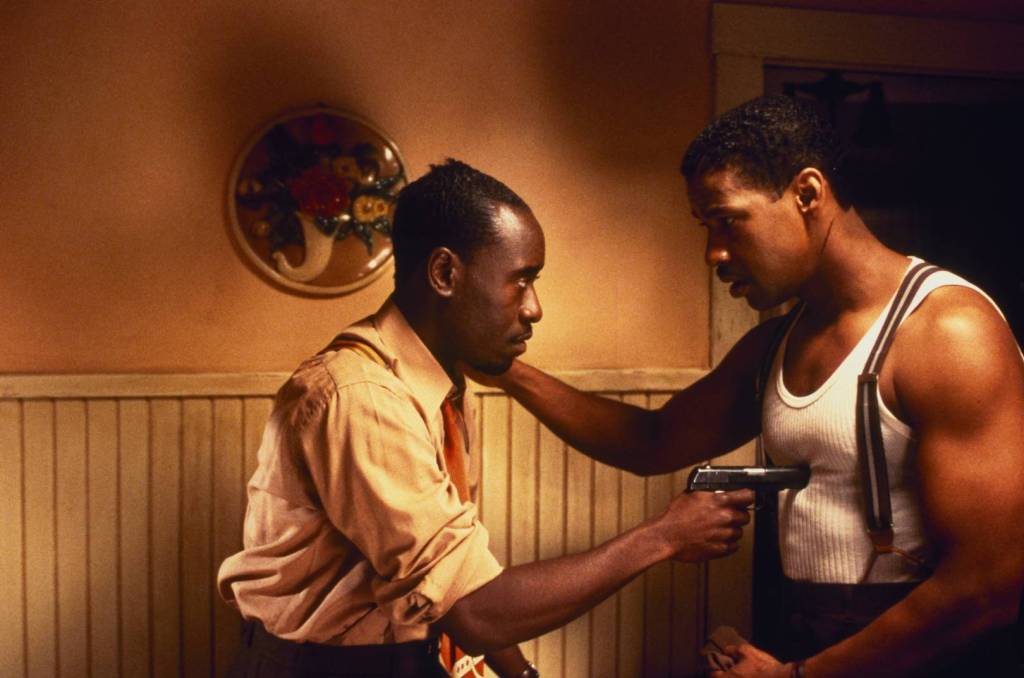
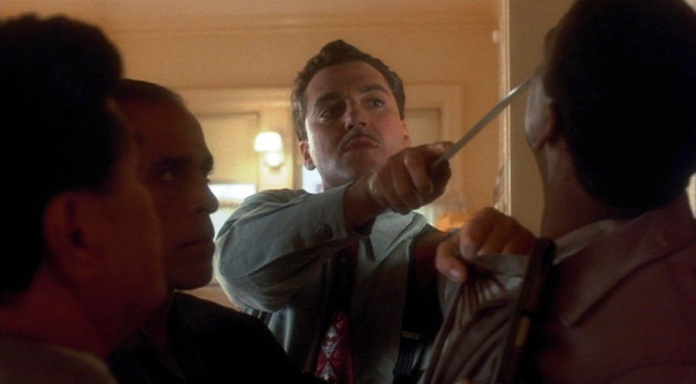
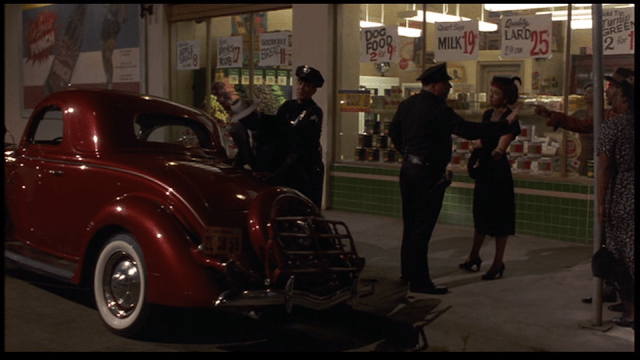
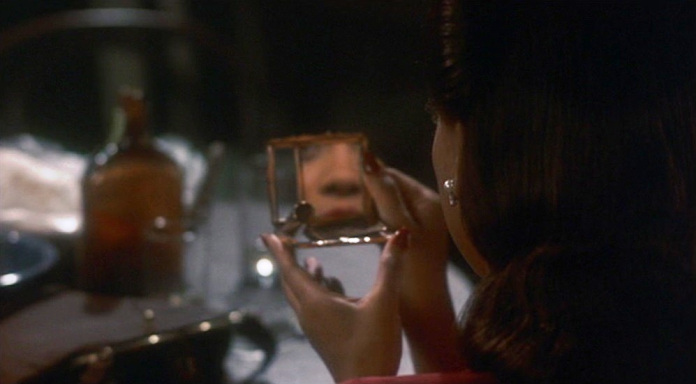
We watched the 1995 film Devil in a Blue Dress, based on the Walter Mosley novel of the same name. We discussed that although it had the same beats as any other 1950s LA-set noir (of which there are many), the added element of a Black lead and Black characters gave new eyes and experiences to the old tropes. We also wonder if most LA crime is just marginalized people being hired by the rich to do all their dirty work, rail against the LAPD, try to decide if it matters that the mystery is a bit convoluted if the characters have a journey, and express our love for period movie production design. Katy shares Casanova facts, Carrie sees Kamala Harris everywhere, Maddy thinks all white men detectives are insufferable, and Mack spoils the Chucky Cinematic Universe. We also discuss whether a person with a pencil thin mustache can actually be good, talk about the “missing woman=magic vagina” trope of these noir movies, try to convert historical currency to today, reminisce about LOST, and torture Carrie with traumatic childhood movie memories. Also—what was the deal with the tree guy?? Give it a listen!
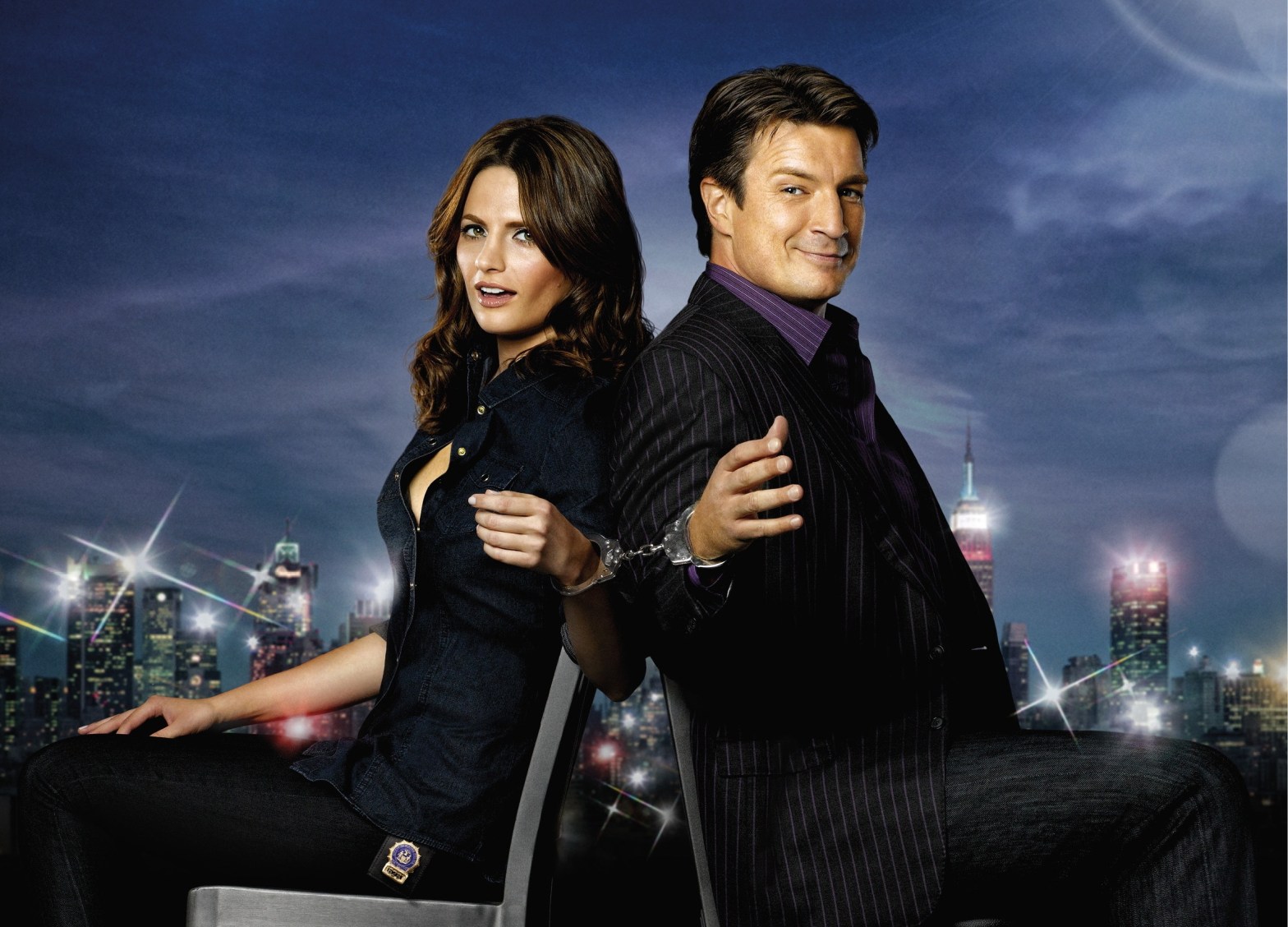
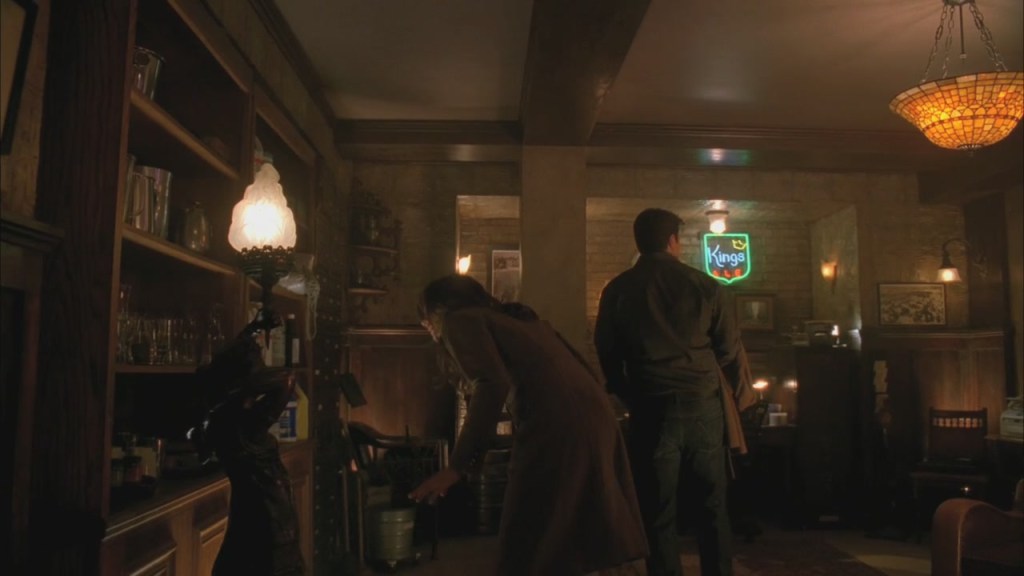
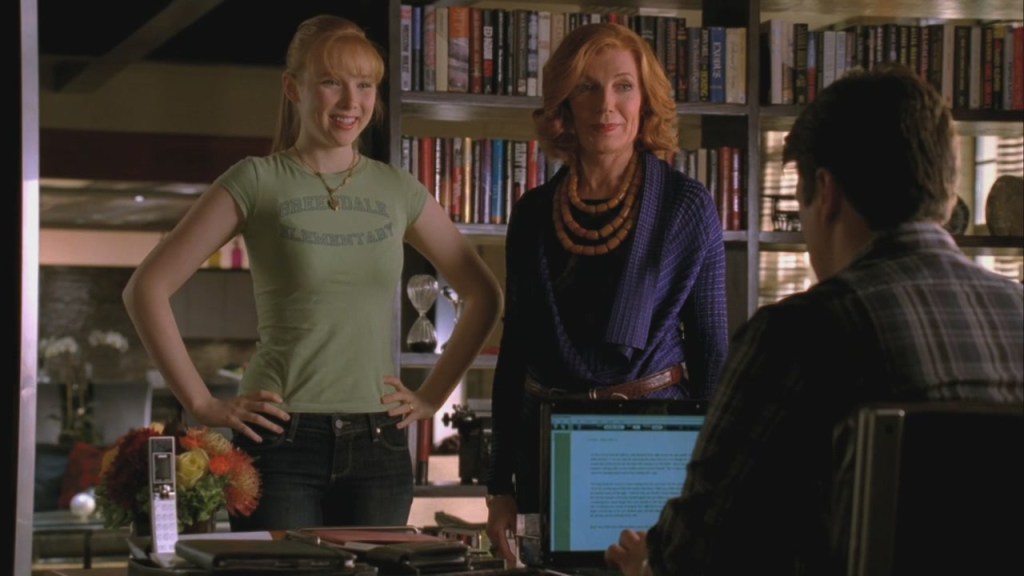
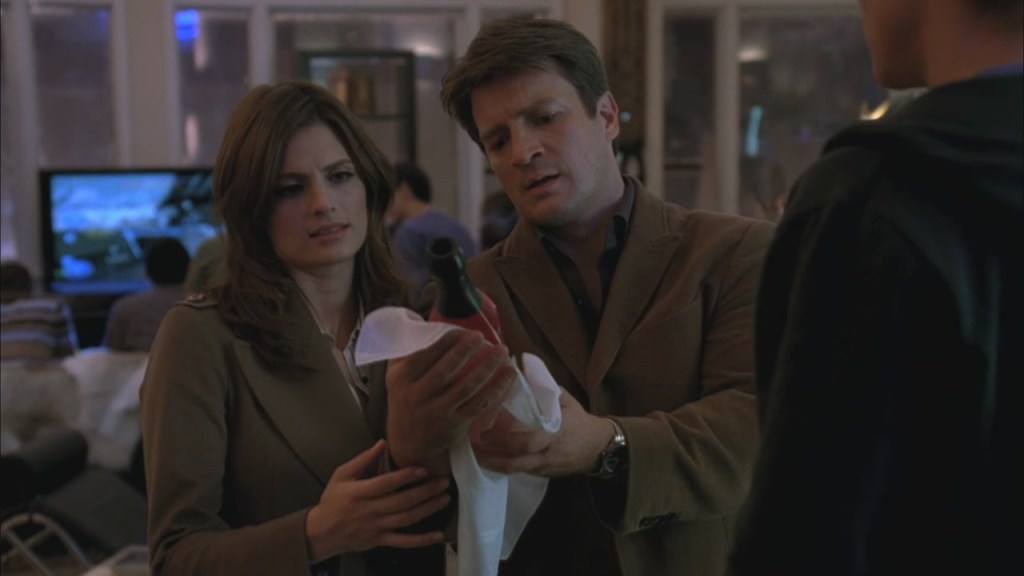
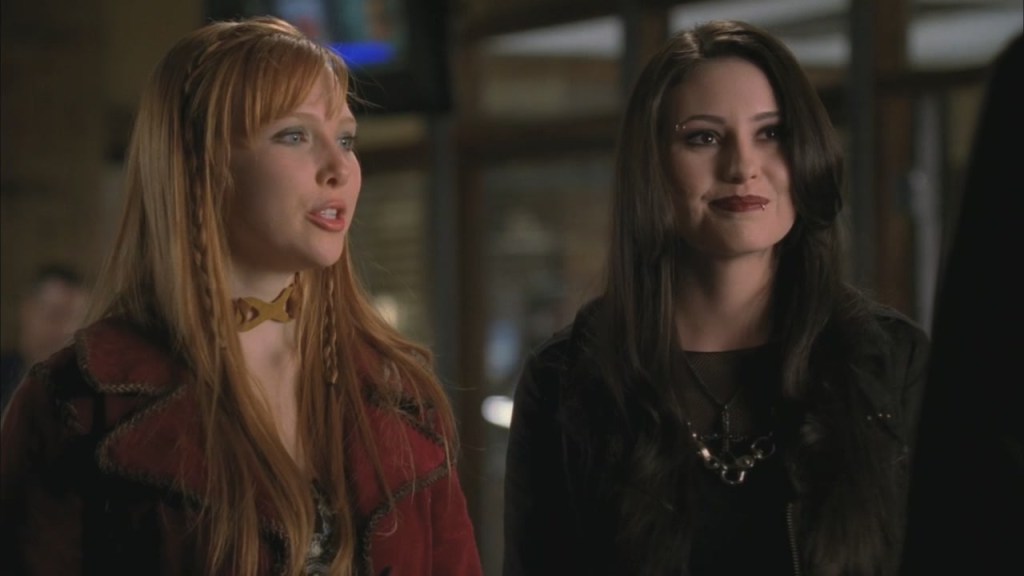
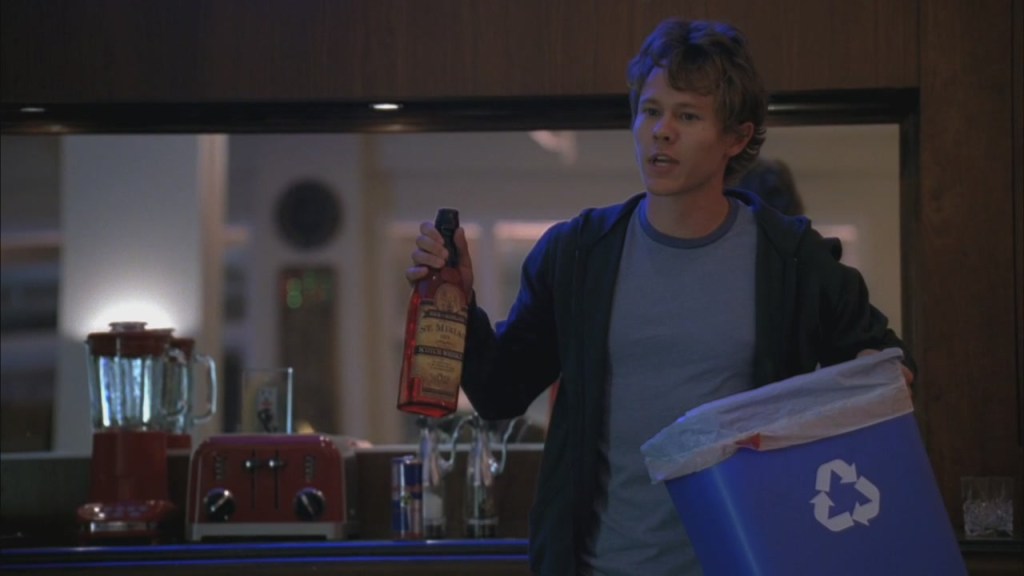
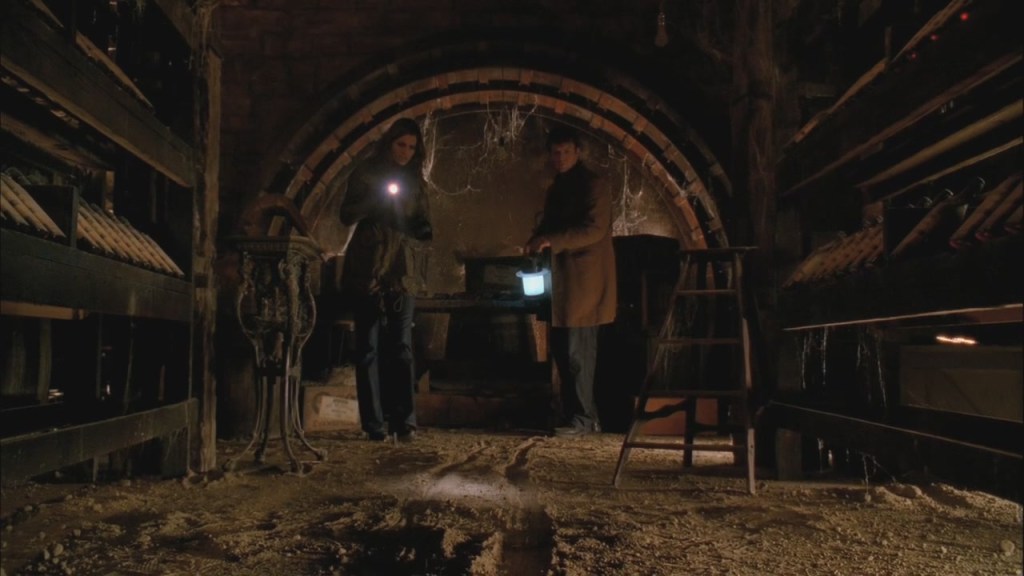
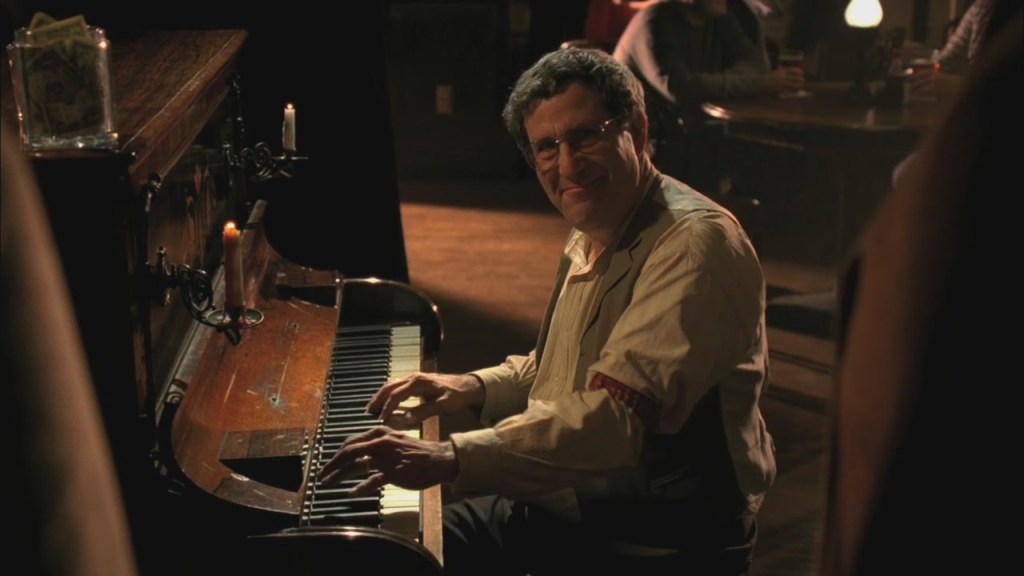
We watched season 3, episode 10 of Castle, titled “Last Call”, and it was — fine! We discuss the dynamic between Castle and Beckett (and how half of it seems to be smirking), complain about the things that bother us about crime procedurals, wonder who exactly the target audience was for this show, and get annoyed at the lack of crime scene etiquette. Katy makes a secret confession, Carrie is a real stickler for historical outlet design, Maddy solved the case way ahead of us, and Mack makes plans for 2076. We also have a mini-roast of our dad, share Prohibition facts, reveal that we have no room to judge those who read flashy mystery thrillers, discuss boomer culture, and come up with some great bar names/Vegas club ideas. In this episode we learn about flood levels, union rules, insurance requirement variations, and what Randy Newman looks like. It’s fun! Full spoilers for all of Castle so watch out!
CORRECTIONS:
-Benningtons is not the name of the chain Katy was thinking of, it was Bennigan’s.
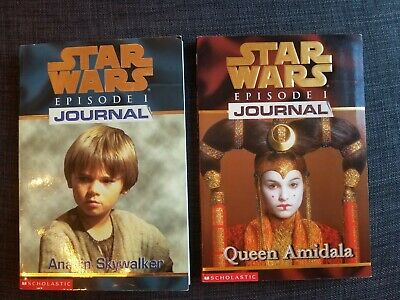
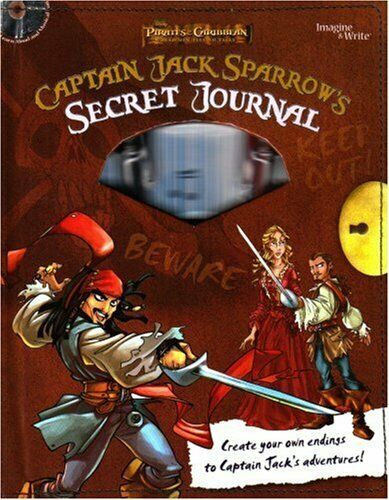
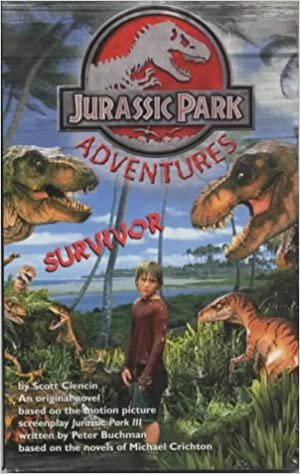
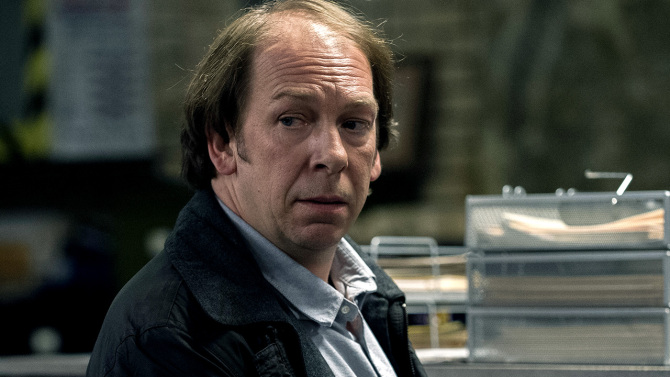
Our weird obscure lore books for childrenRandy Newman cameo!
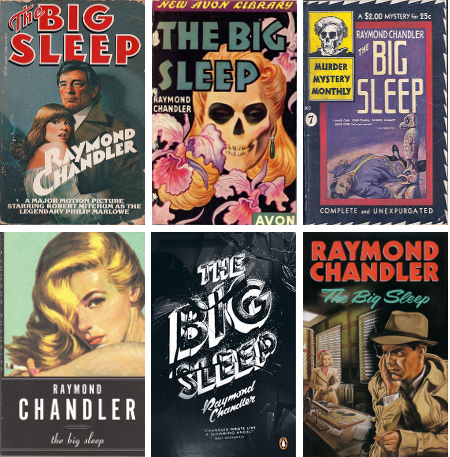
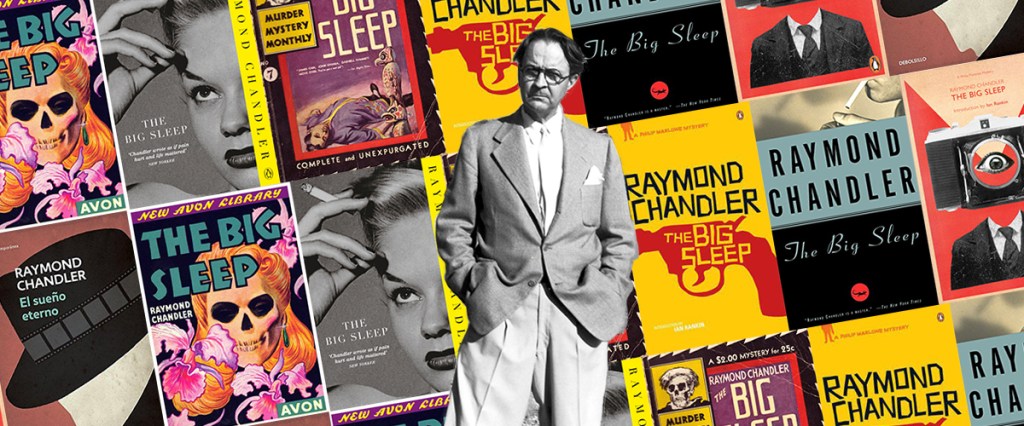
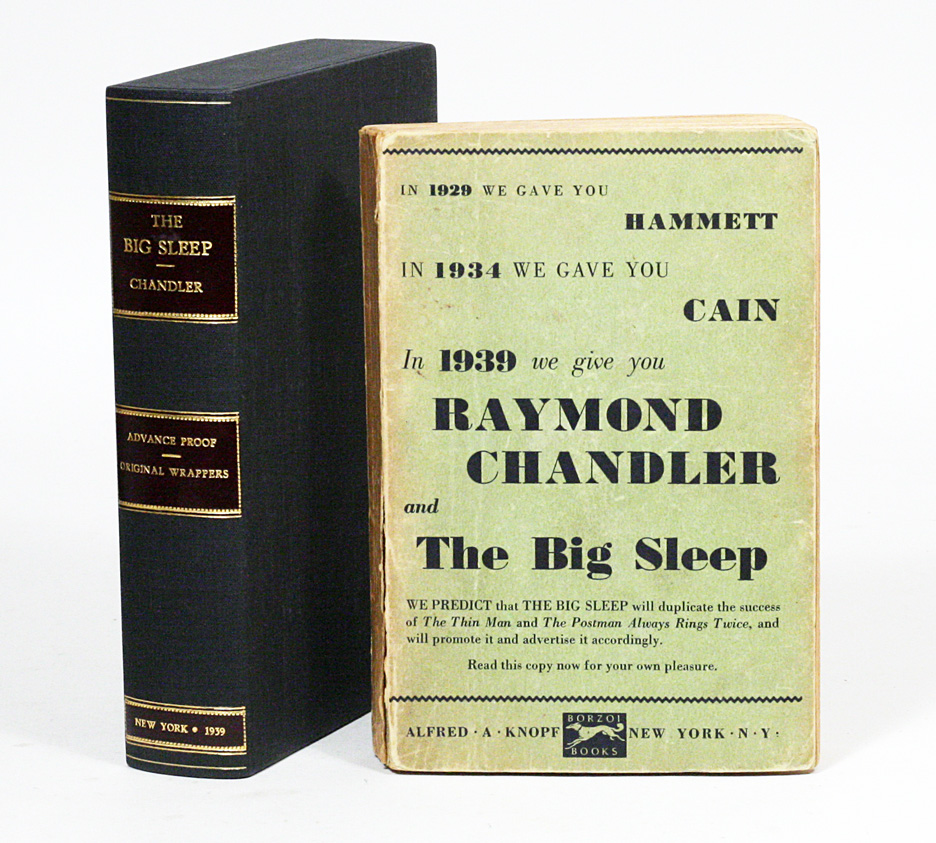
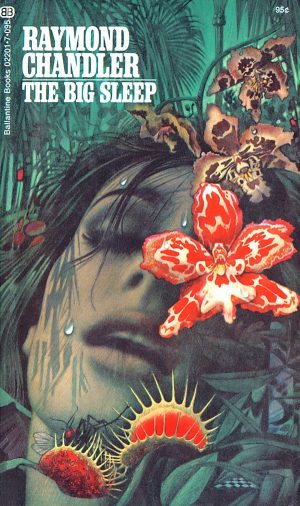
New episode! We cover our third book, Raymond Chandler’s 1939 debut novel The Big Sleep. We discuss the detective Philip Marlowe and his possible secret life, muse upon the motivations and intentions of Raymond Chandler, read similes and descriptions to each other, and eventually fall into two camps with our enjoyment of this book. We really get into the outrageous misogyny and homophobia present throughout, as well as the substance vs writing style of Chandler. Katy tells the same Hitchcock story twice, Carrie reads to us from her storybook, Maddy really had problems with the descriptions of everything from plants to women, and Mack does visual parlor tricks (on a podcast). We learn some possible worm facts, hear a Chandler impression, have a minor Roman emperor corner, learn the dollar amount Mack needs to look away from a murder, and wonder what the deal is with all the teeth. We also make wild accusations and statements with little research so remember this is a fun fictional mystery podcast and not serious literary criticism! Give it a listen! Bonus if you catch the perfectly timed unintended sound effect!
-Long term use of inhalants like ether may cause “delayed behavioral development” and brain damage “from cut-off oxygen flow to the brain”. From DrugAbuse.gov
SOURCES:
Chandler, R., Hill, O., Jackson, P., & Rizzuto, A. D. (2018). The Annotated Big Sleep. New York: Vintage Crime/Black Lizard.
Nicholson, Mervyn, and Robert L. Carringer. “Raymond Chandler and Strangers on a Train.” PMLA, vol. 116, no. 5, 2001, pp. 1448–1450. JSTOR, http://www.jstor.org/stable/463551. Accessed 9 July 2020.
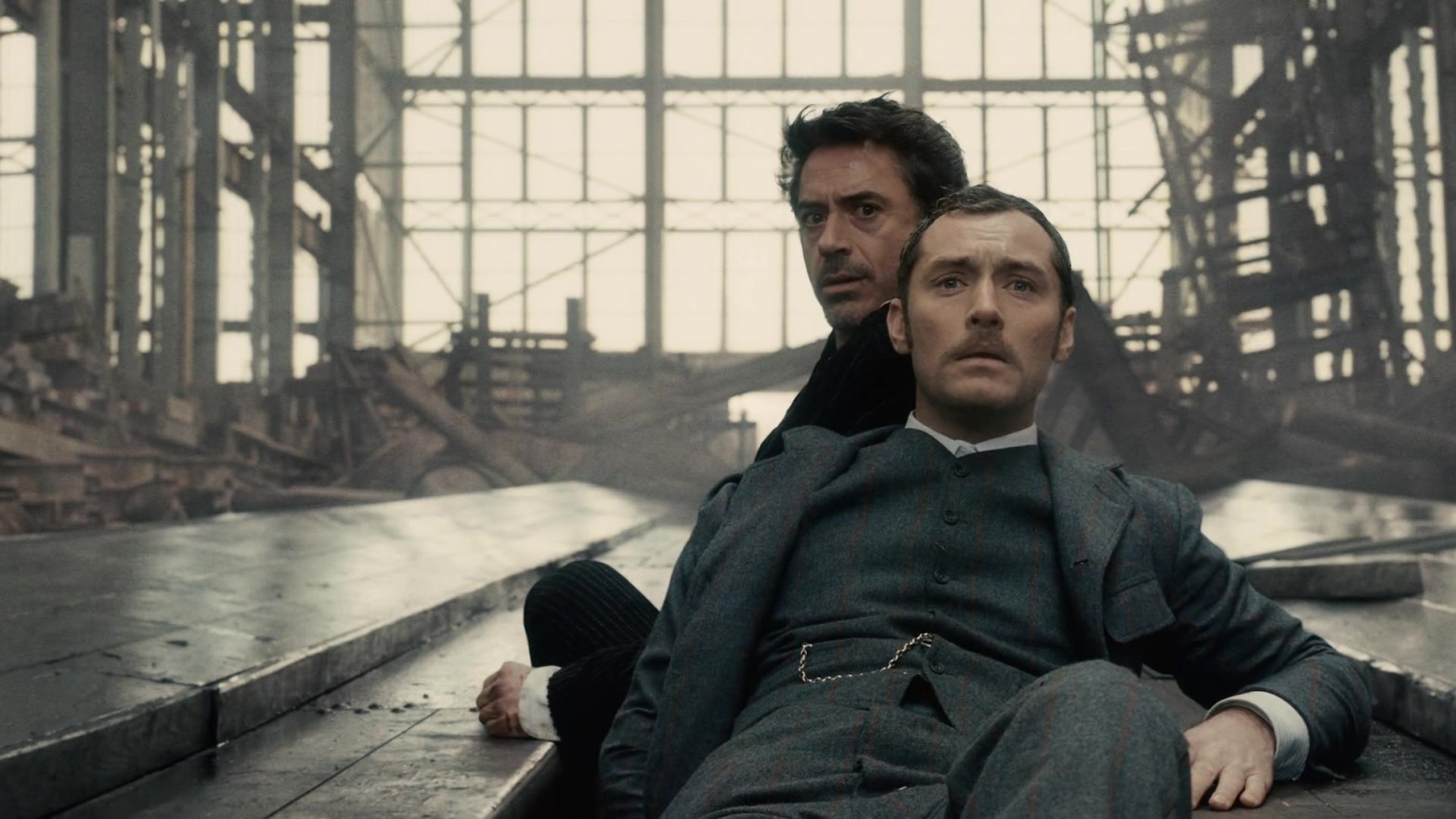
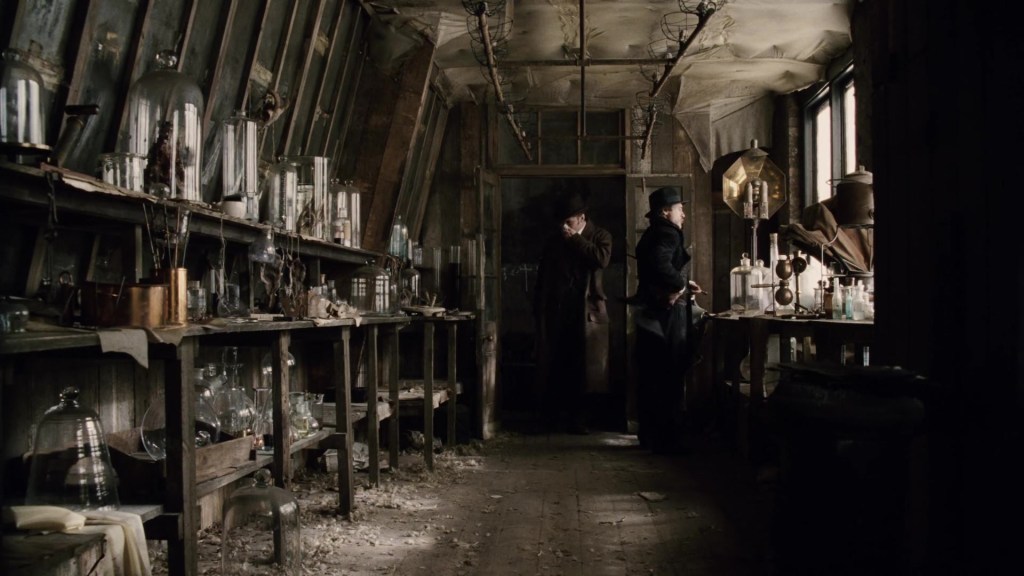
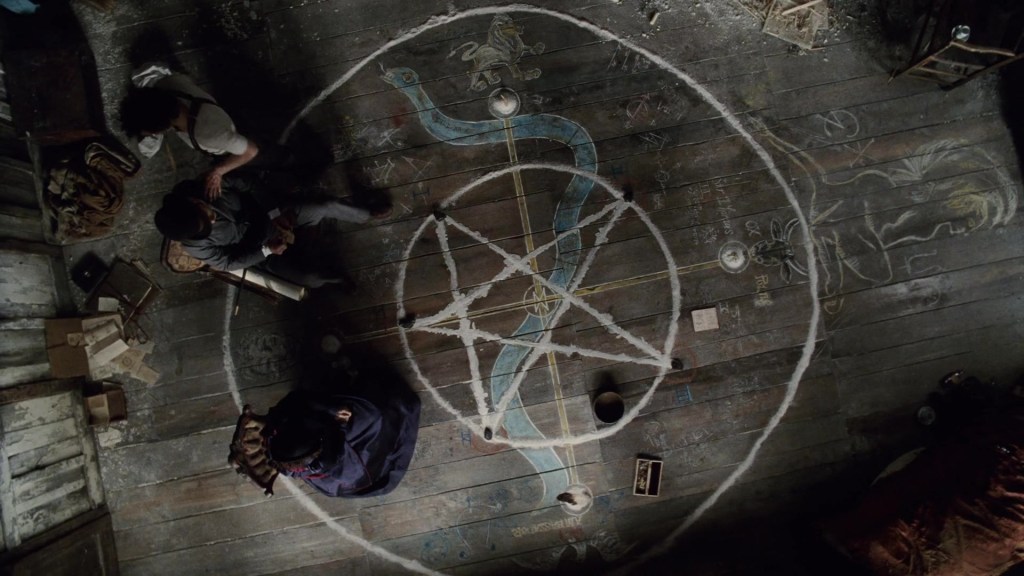
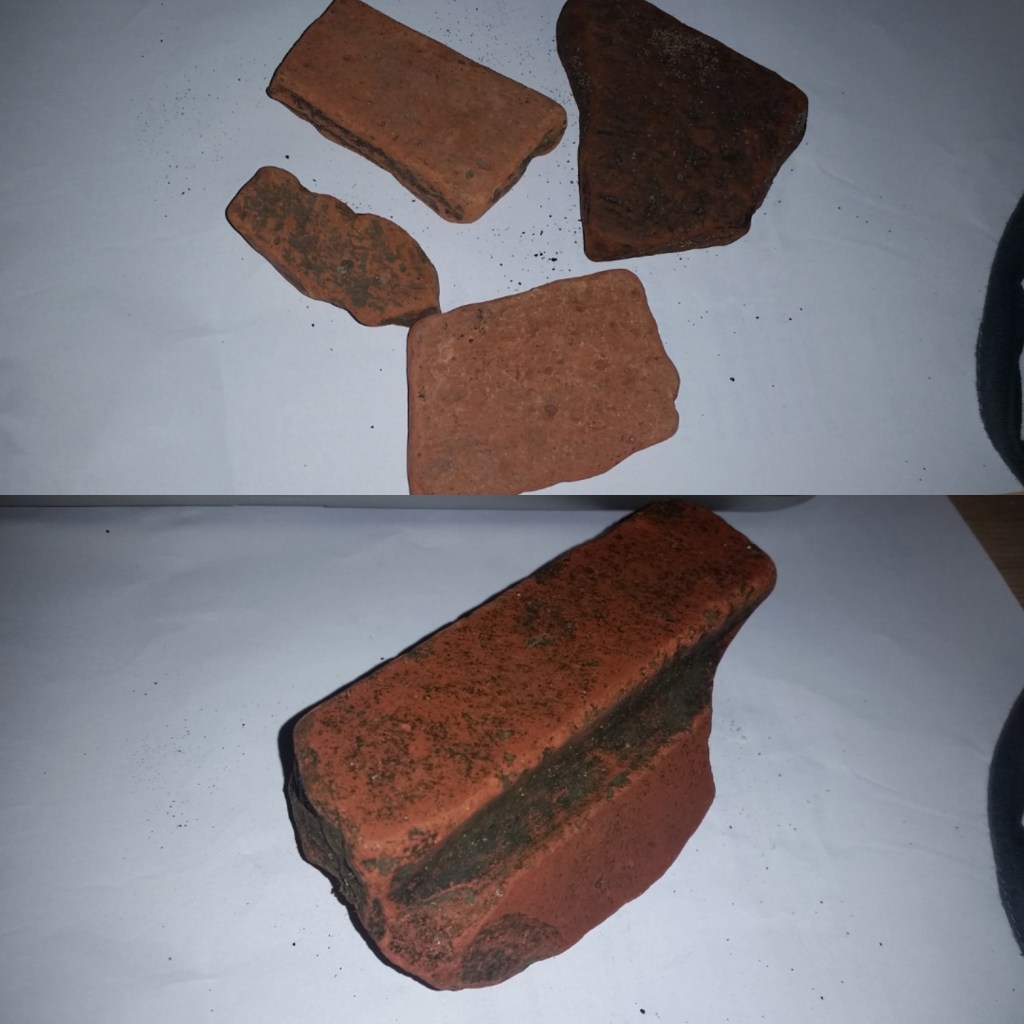
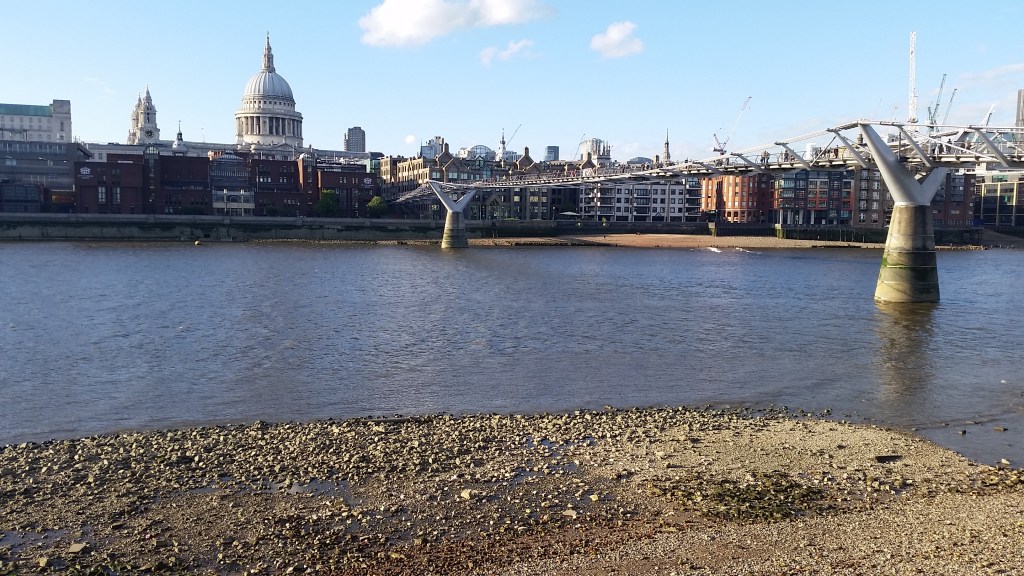
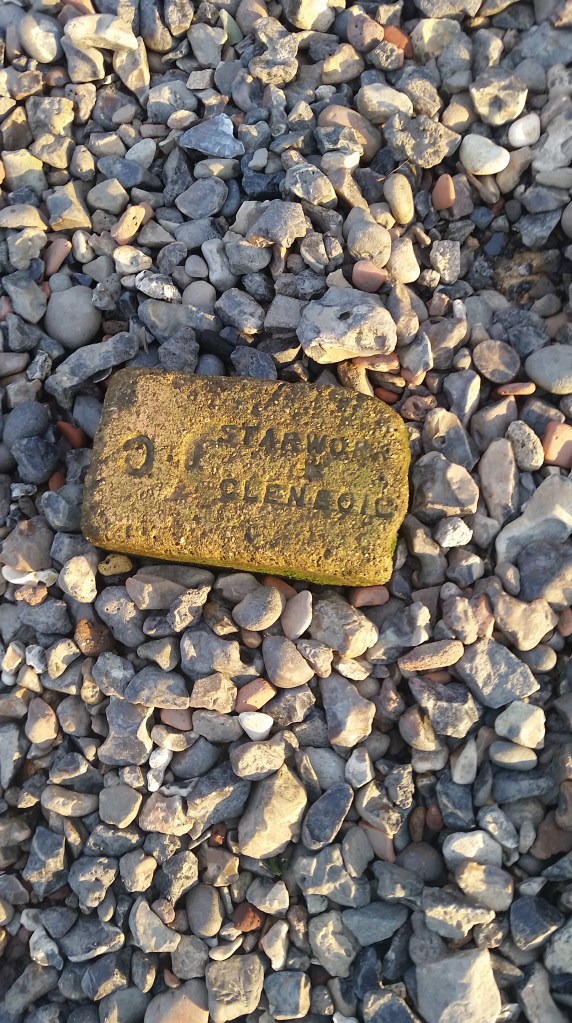
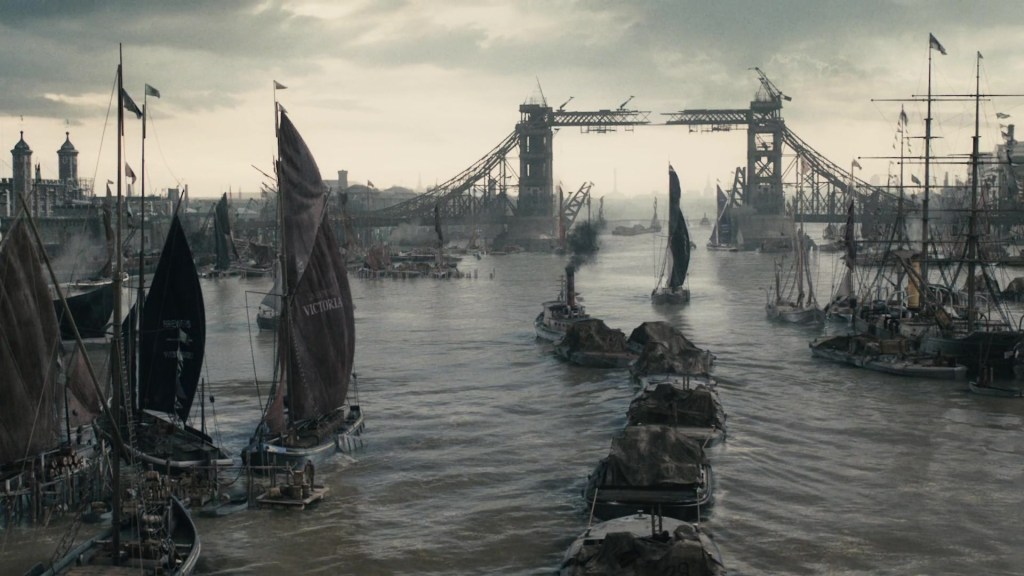
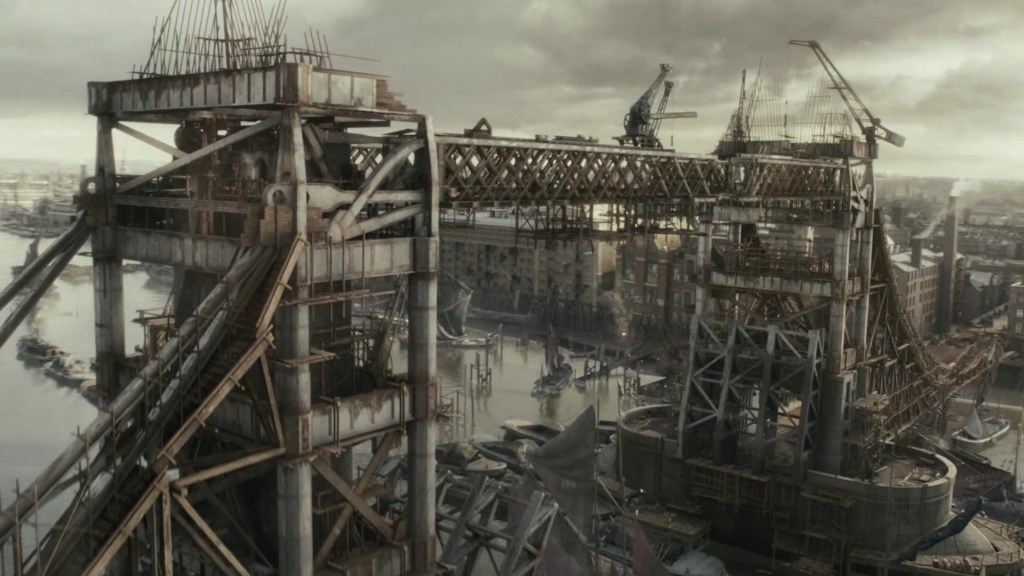
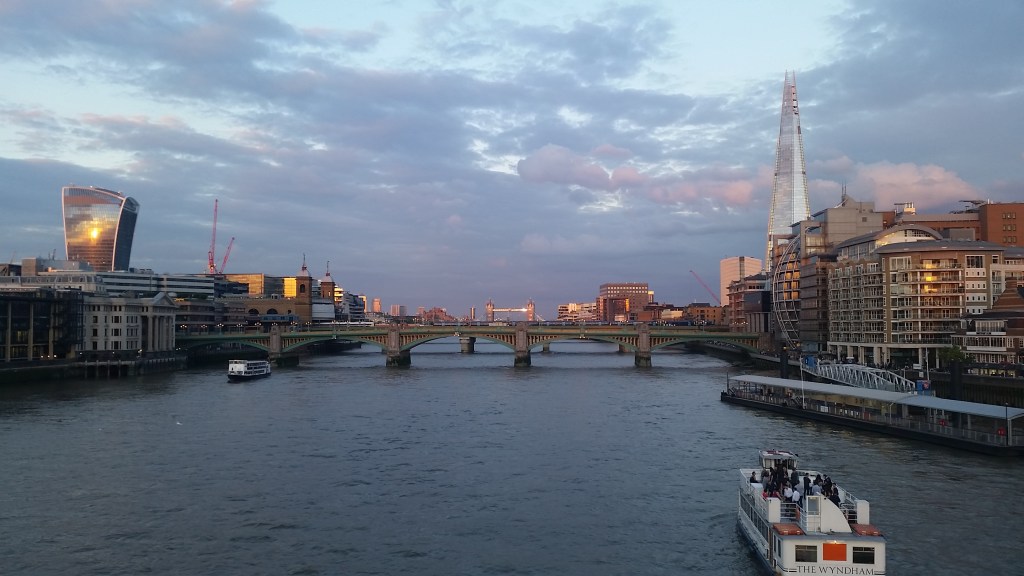
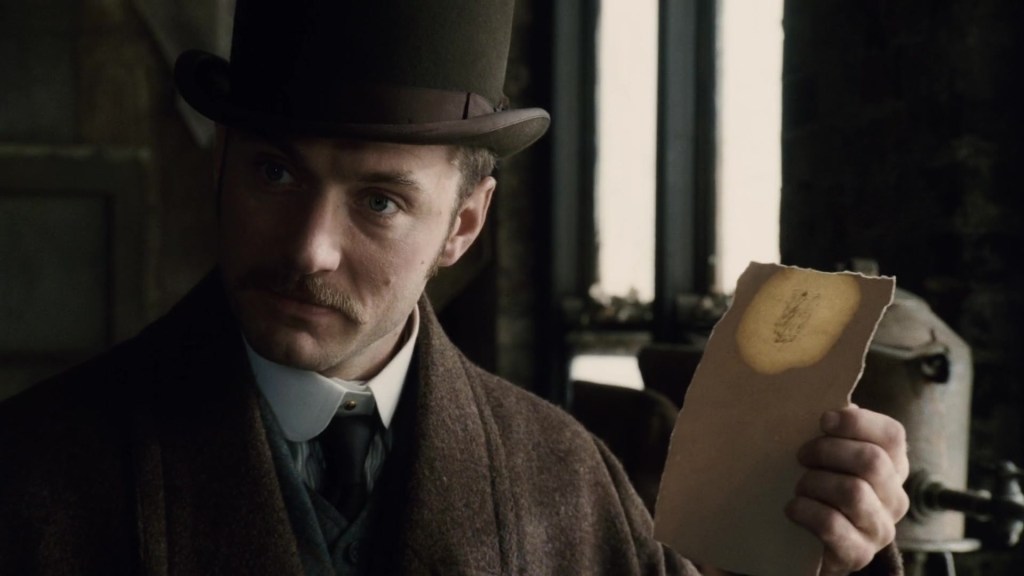
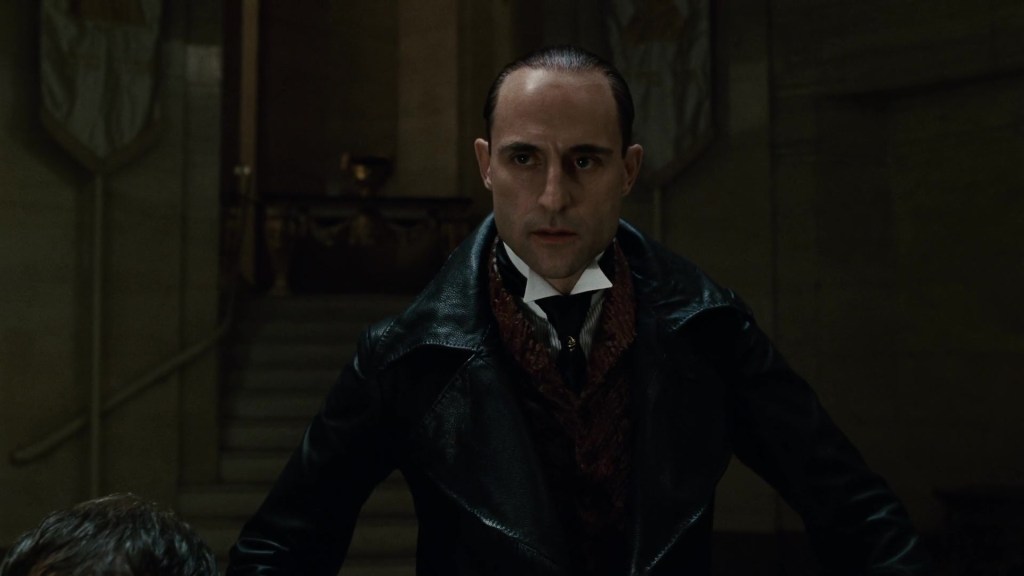
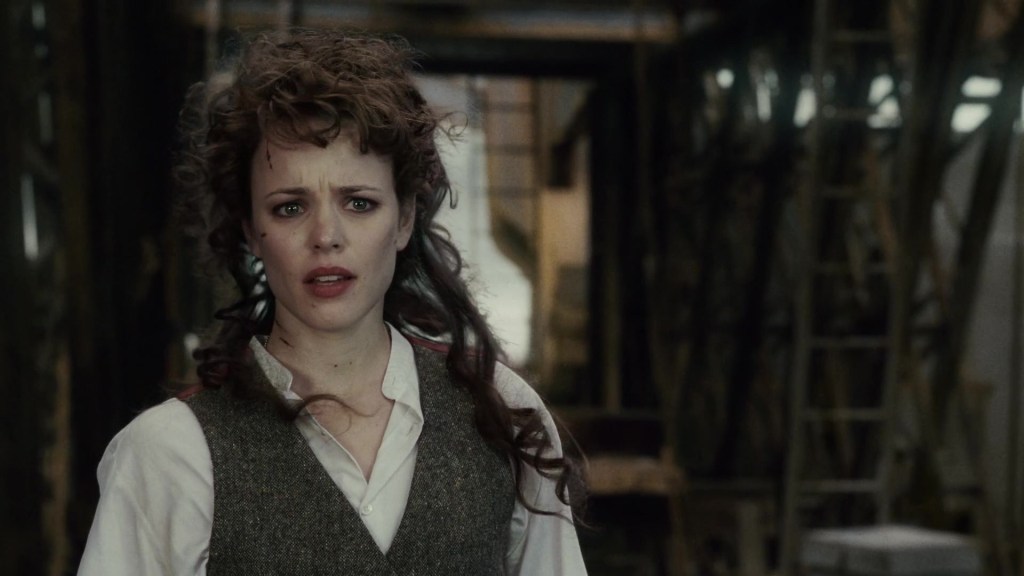
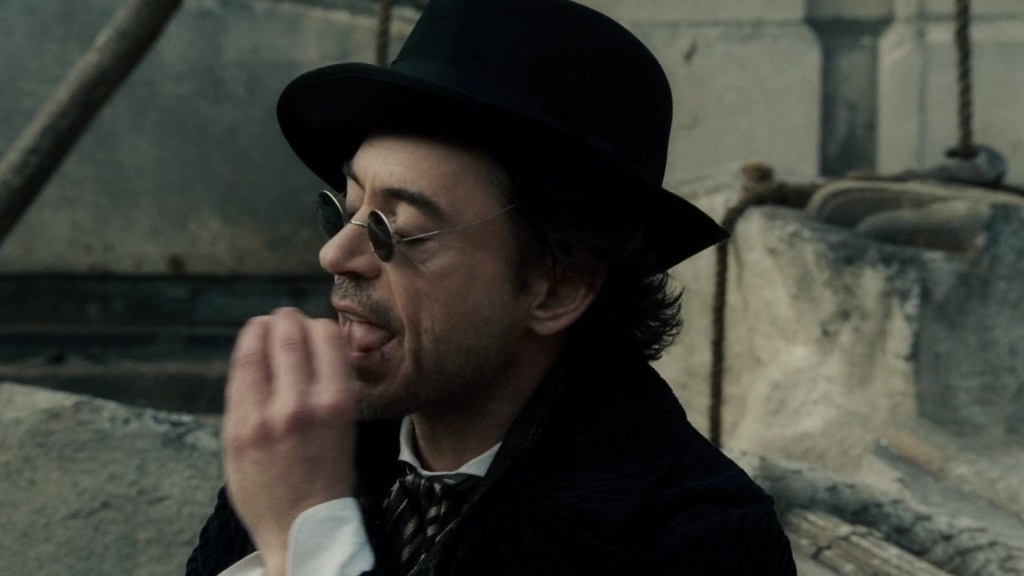
New episode! We watched 2009’s Sherlock Holmes, starring Robert Downey, Jr. as the famous detective. We discuss the Guy Richie-ness of the film, weigh the balance between Hollywood blockbuster and Holmes adaptation, decide if the anachronisms are acceptable due to the bohemian-steampunkiness of it all, ponder the science vs. supernatural elements, and love that Holmes and Watson are basically an old married couple. Katy trash talks Murdoch Mysteries (with love), Carrie gives Tower Bridge a TripAdvisor review, Maddy has problems with Watson’s blood pressure assessments, and Mack wants to recast Irene Adler with Fran Drescher. We also discuss Holmes’ fanny pack (or bum bag if you’re British), decide whether the Kellogg company can appoint you as a Lord, wonder if we own enough robes and cloaks to constitute a cult, reminisce about working in a small town movie theater, and contemplate how scared we are of being known. This episode also includes a lecture on mudlarking, bad Porky Pig impressions, cocaine facts, and more! Give it a listen! (Also we promise no more Holmes for a while.)
TW: serial murder of women briefly mentioned, hanging, alcohol and drug abuse, animal cruelty
CORRECTIONS:
—The rules for mudlarking on the Thames river have changed since Katy did it. Don’t try without getting a permit and researching first. Per the Port of London Authority, “Anyone searching the tidal Thames foreshore from Teddington to the Thames Barrier – in any way for any reason – must hold a current foreshore permit from the Port of London Authority. This includes all searching, metal detecting, ‘beachcombing’, scraping and digging.” It’s £85 per year or you can buy a single day permit for £40 that must be used within one month of purchase. See here for more details.
–We know Fran Drescher is not from New Jersey. It was a joke.
–Ok fine. Remote controls and radio waves were technically around in the 1890s. Per Wikipedia the first time something was wirelessly controlled from a distance was in 1894, and the first time radio waves were demonstrated was in 1895. But they were BRAND NEW and really only used by INVENTORS and not EVERYONE.
–OK again. The US Secret Service was created in 1865. Wiki
–Alphonse Bertillon didn’t use ear shapes exclusively regardless of what Katy said. He basically created the standardized mug shot, and applied the system of anthropometry as a way to track and ID criminals. It was more about skull measurements, proportions, and photos. Here’s his Wiki page.
–The trench coat design was popularized for soldiers in WWI (literally a “trench” coat) but two different clothing manufacturers claim the initial invention, and one of them says it goes back to the 1850s. Here’s the Wiki. We couldn’t clarify whether leather would have been used in the 1890s but probably not; they were mostly for soldiers in the beginning and used things like gabardine.
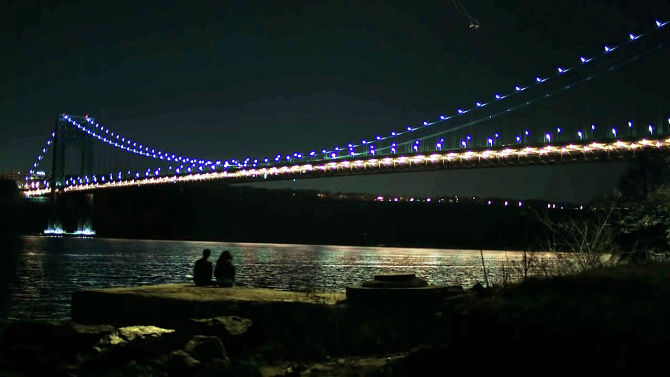
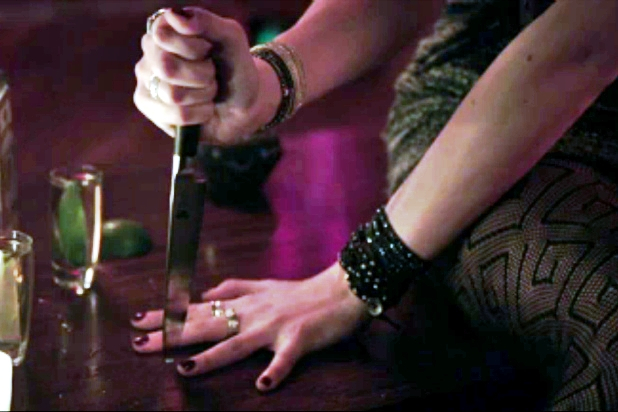
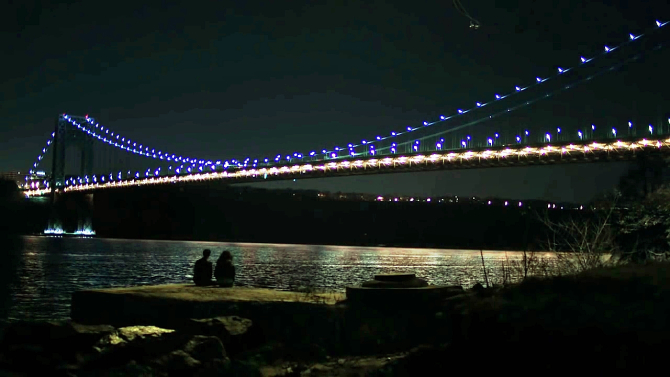
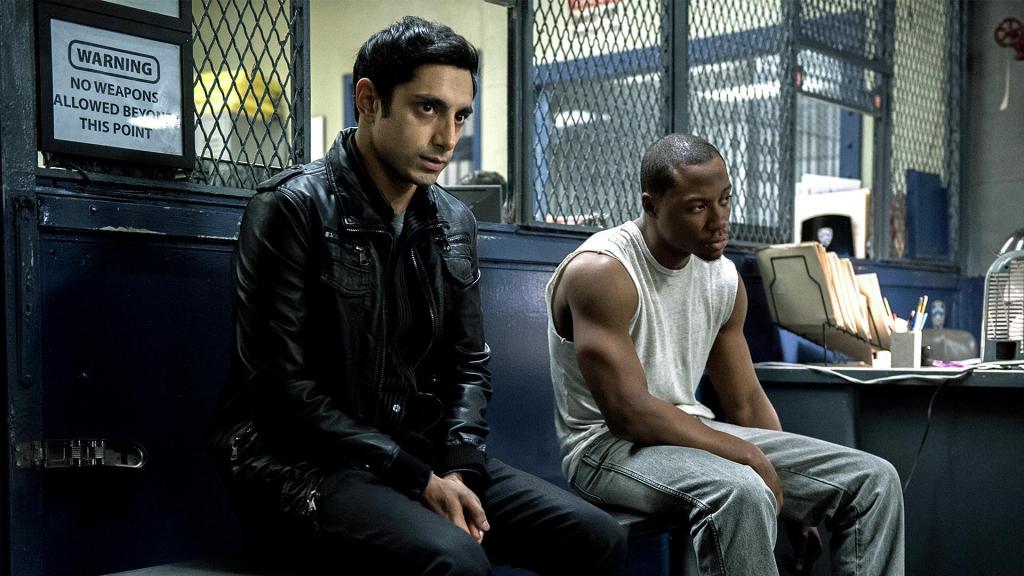
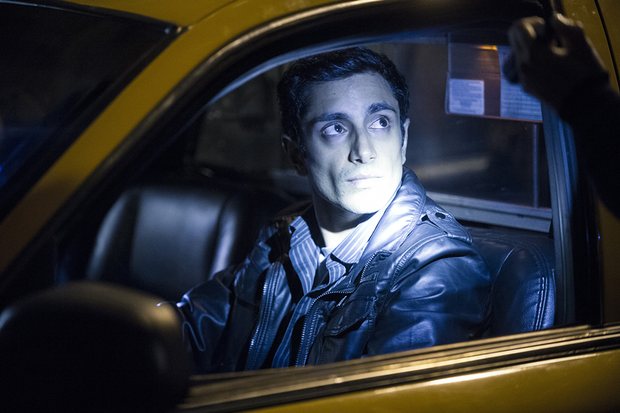
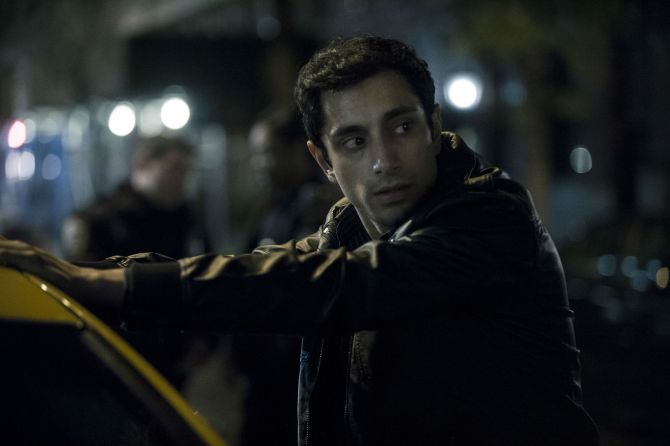
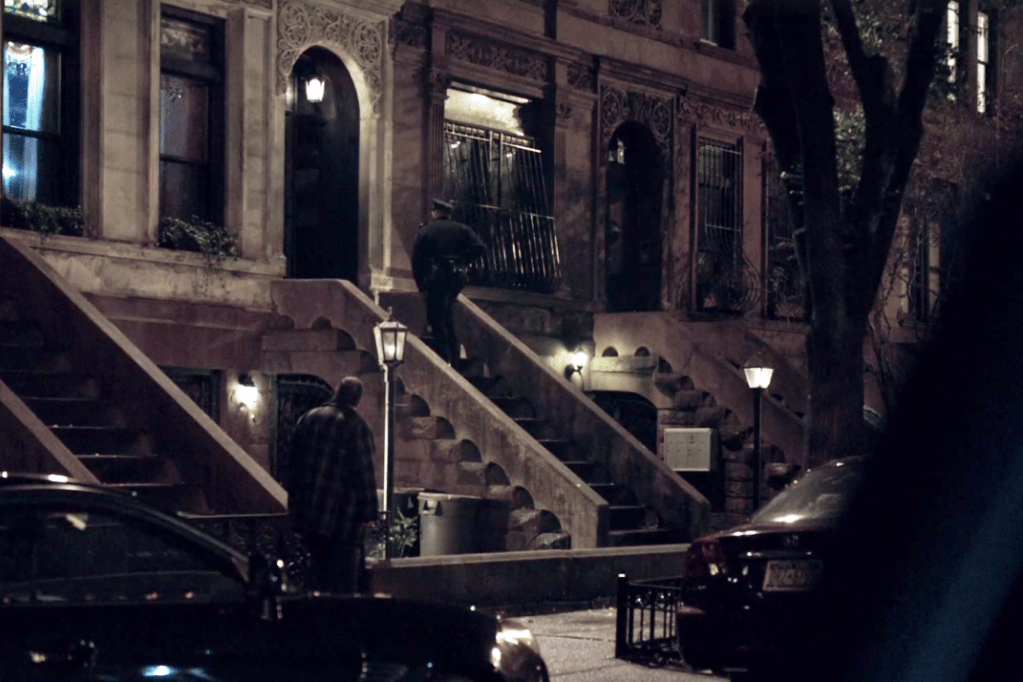
New episode! We watched the first part of the 8-part HBO series The Night Of, titled “The Beach,” which means we speculate a lot about things we don’t have answers for. We cover how this episode felt like we were just watching the prosecution build a pretty solid-looking case, how tense we felt the entire time, how everyone makes really bad decisions (but especially Naz), how CCTV is eerily ubiquitous, and how just absolutely great Riz Ahmed is at everything. Katy blocked Carrie from her tattoo memories, Carrie gives practical hearse advice, Maddy doesn’t care about baseball at all, and Mack may have confessed to a crime. We also cover the insanely dangerous knife game, try to figure out New York City boroughs with no practical knowledge (Spider-Man doesn’t count, MACK), admit we’ve all blasted opera from the car, and give major Once Upon A Time spoilers. The show was a stressful watch but we all enjoyed it! Give it a listen!
TW: NYPD, police violence, leading a witness, racism, police incompetence
CORRECTIONS:
-”Brownstone is a brown sandstone that was once a popular building material. The term is also used in the United States to refer to a townhouse clad in this, or any of a number of aesthetically similar materials.” –Wiki
-Carrie was referring to the Reed technique—basically forcing confessions after physical torture wasn’t condoned anymore. Most federal law enforcement trained in it. Used “incorrectly” with the Exonerated Five.
-Riz Ahmed “is the first Muslim actor to win a Lead Actor Emmy, as well as the first South-Asian man to win an Emmy in an acting category in general” (Source)
-More info about the “Riz Test” can be found here and here
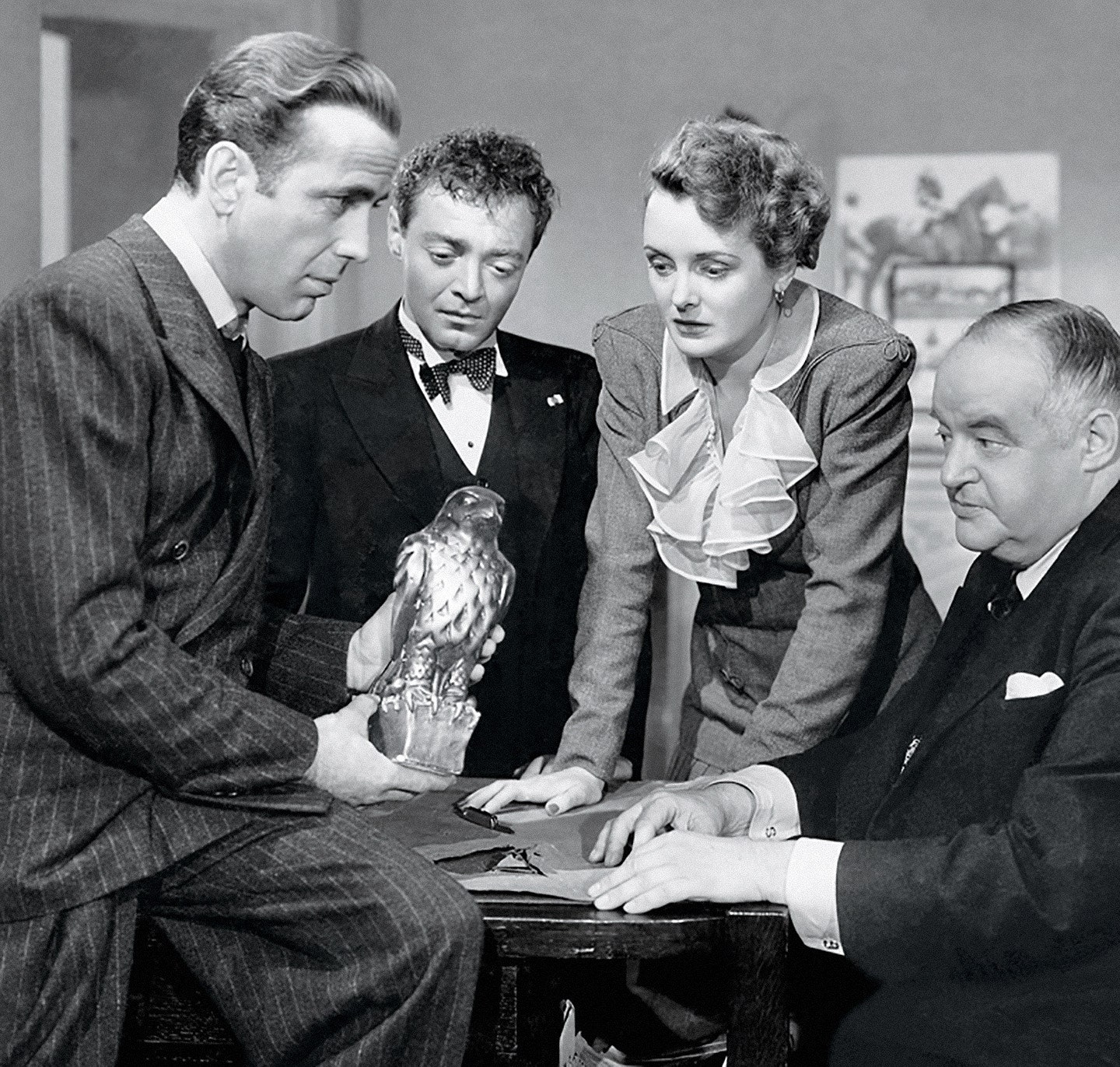
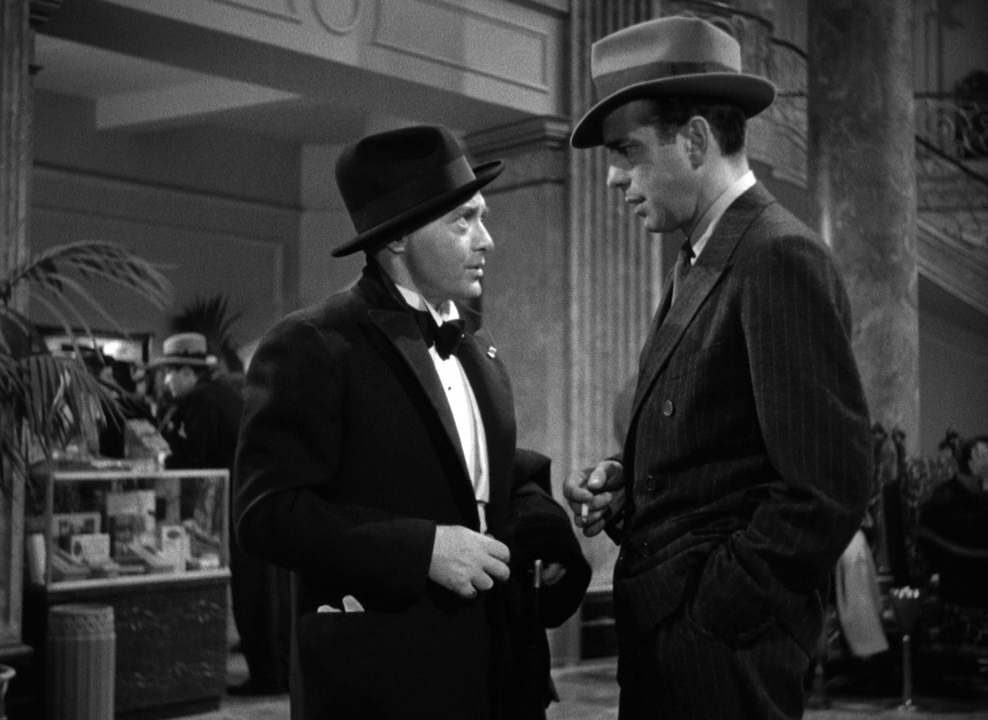
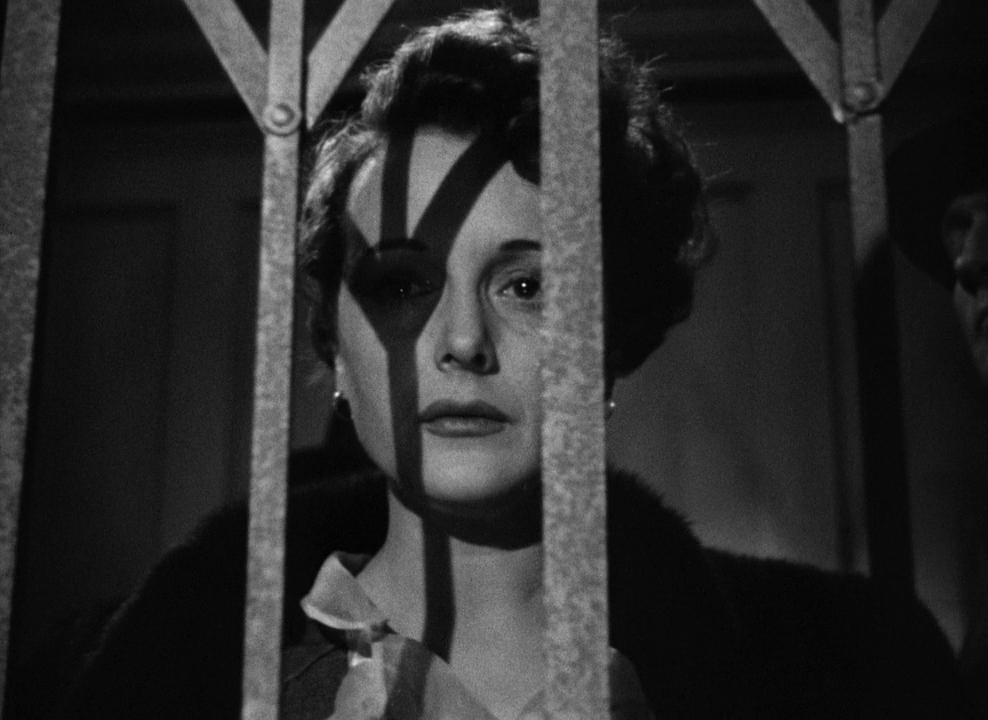
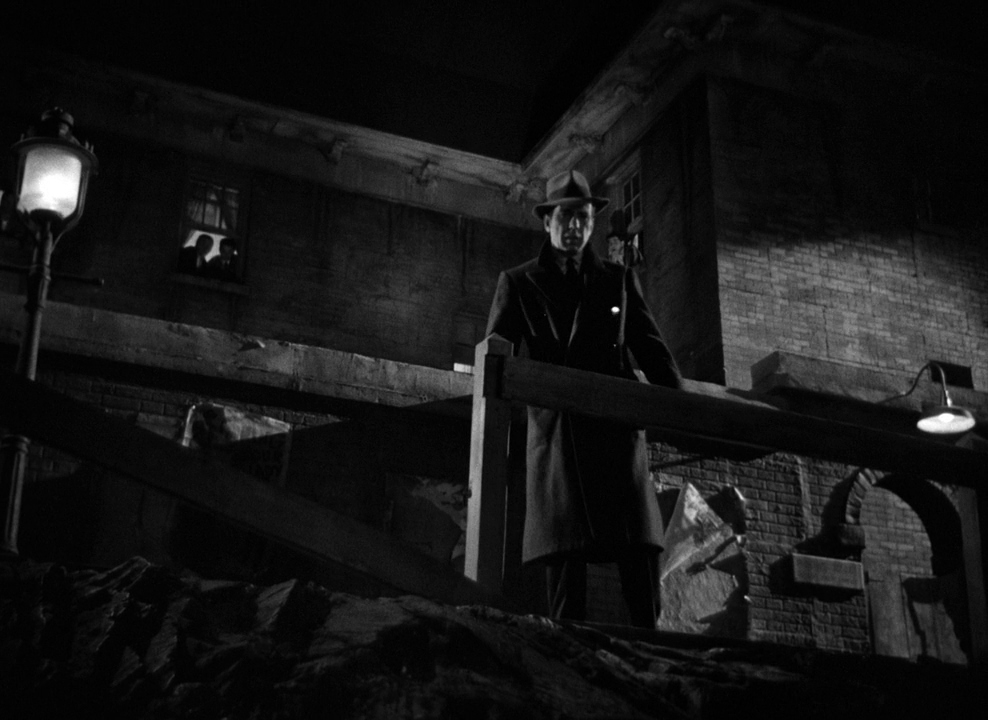
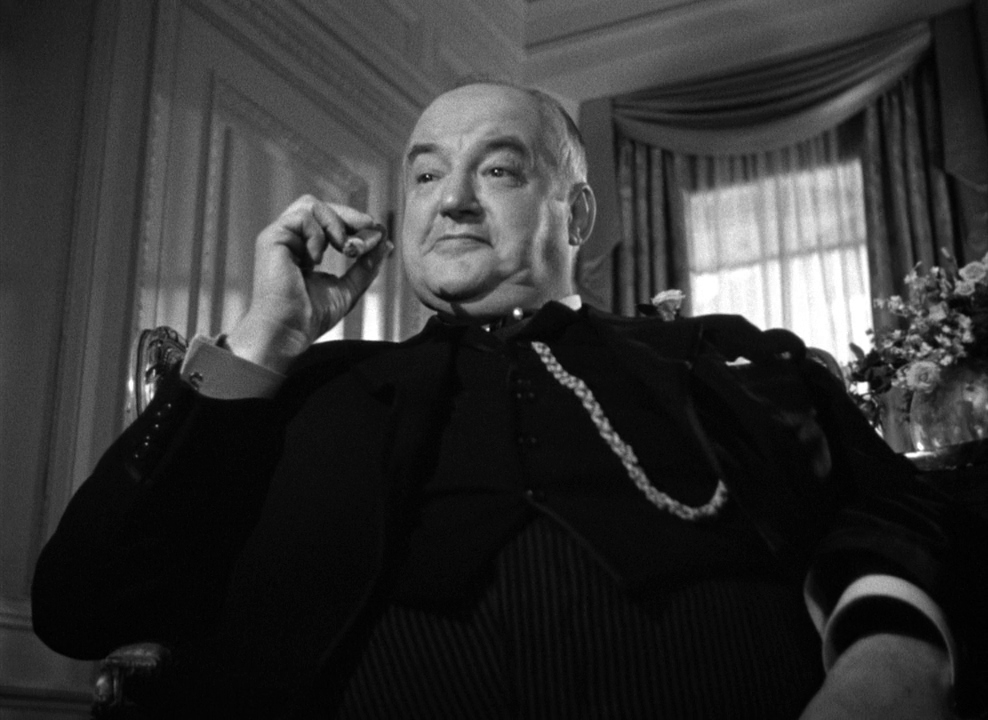
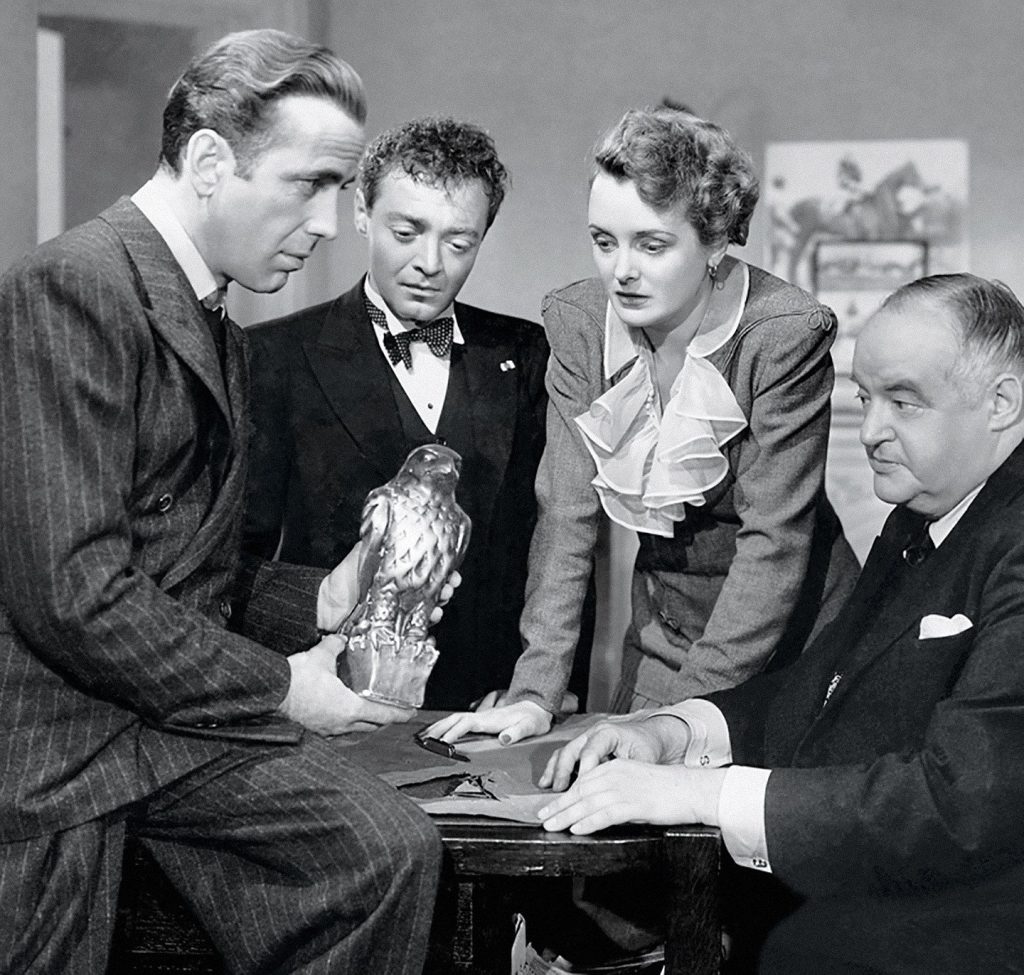
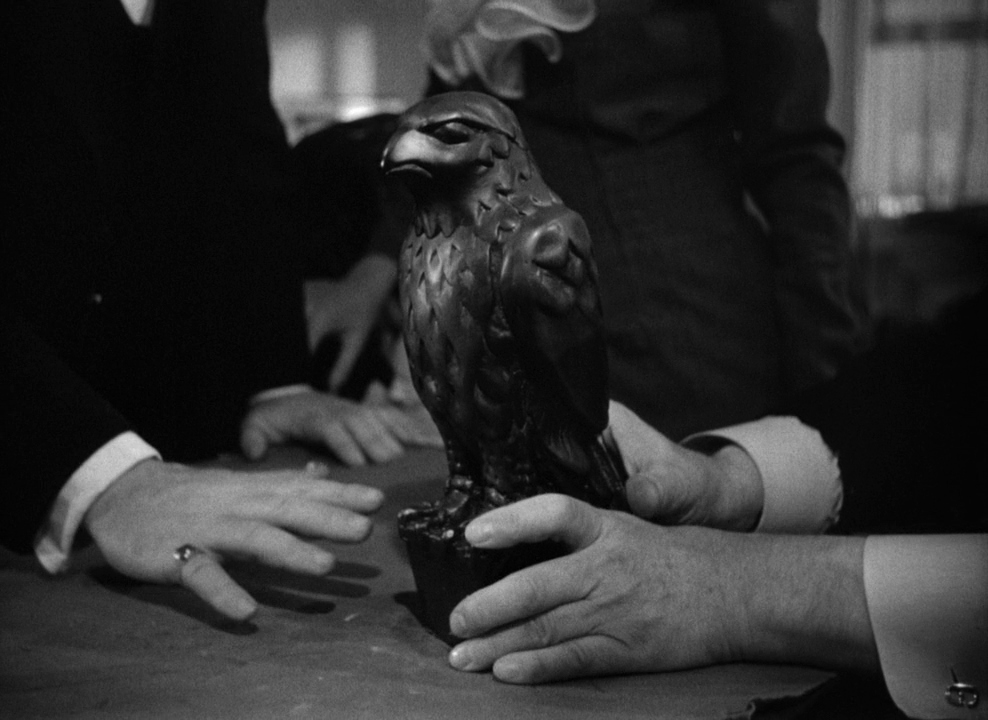
It’s our 30th episode, dollfaces! We watched 1941’s The Maltese Falcon and dug into one of Hollywood’s biggest noir movies. We cover the iconic Humphrey Bogart and his literal presence in our lives, get into the vague history of the MacGuffin storytelling device, talk about how this is an actual mystery we traverse along with Sam Spade, and discuss how no one in the movie is really a good person—not least because everyone’s lying all the time. Katy shares a bonkers (but not so fun) fact concerning the falcon prop’s sculptor, Carrie liked the title treatment’s quotation marks, Maddy draws valid parallels between the “Fat Man” and Professor Slughorn, and Mack did some excellent real detecting and film analysis. We also come up with at least three different spin offs and/or sequels for the Maltese Falcon Cinematic Universe, Mack hosts the first partly-gay Pirate Corner™, we learn about Mary Astor’s secret diaries and what her casting meant to a contemporary audience, discuss the Hayes Code and The Celluloid Closet (again), and get into Guns-As-Penis-Metaphor tropes. We all lean in on our ‘40s radio persona for a bit and lament the lack of pirates and knights after a big title card promise. Give it a listen, baby doll!
TW: discussion of police misconduct, slave trade and piracy, historical views on homosexuality, child molestation
CORRECTIONS:
-There is still a lot of grey area with what exactly constitutes a MacGuffin but we found this- “Macguffins are such that their nature is essentially irrelevant to the proceedings of the plot. It doesn’t especially matter what it is, what it looks like, or what it does, only that it acts as something to pull characters into a plot…a Plot Device is graduated up from a Macguffin and more sophisticated in nature. It’s purpose is not merely to motivate the plot, but also to guide it. This may involve motivating the plot, or it may involve resolving problems within it, or introducing new problems in order to change its direction. A core difference here is that a plot device will very probably be used.” -Source Macguffin Wiki
-Movie genres and terms change and flow and are argued over by film historians and casual podcasters alike. Katy said this was one of the first film noir films and while that is basically accurate there were earlier films like Stranger on the Third Floor (1940) or You Only Live Once (1937) that are also considered “proto-noir” or just noir films. Wiki
-From Wikipedia: “The Motion Picture Production Code was the set of industry moral guidelines for the self-censorship of content that was applied to most United States motion pictures released by major studios from 1934 to 1968…The entire document was written with Catholic undertones, and stated that art must be handled carefully because it could be ‘morally evil in its effects’, and because its ‘deep moral significance’ was unquestionable”.
Noir af
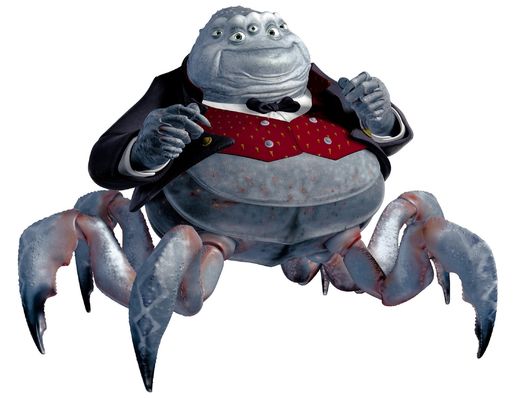
INteresting comparison between “The Fatman,” Horace Slughorn, and Henry J. Waternoose III
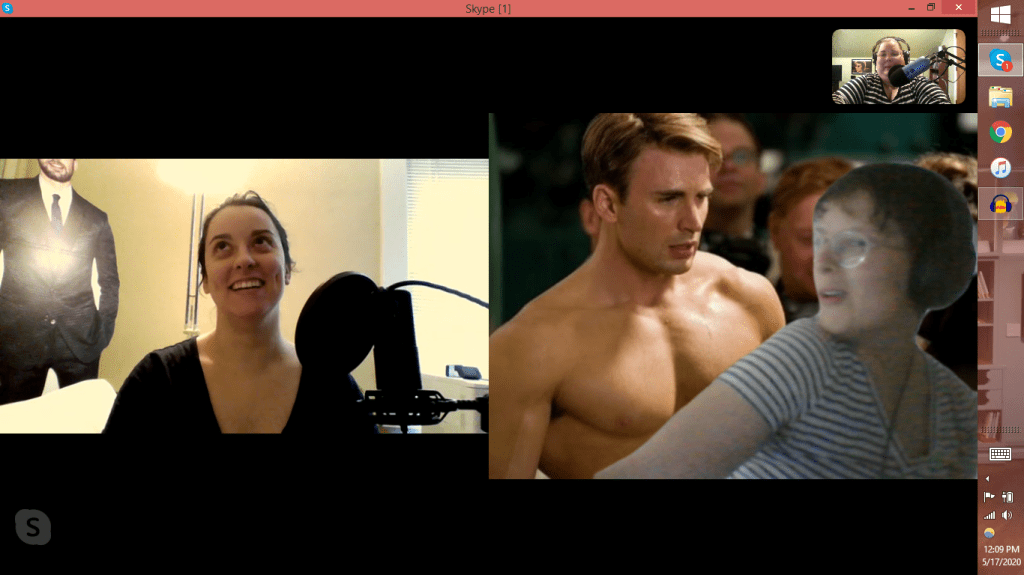
Carrie is jealous of Maddy’s real Chris Evans, as only his cardboard facsimile keeps her company
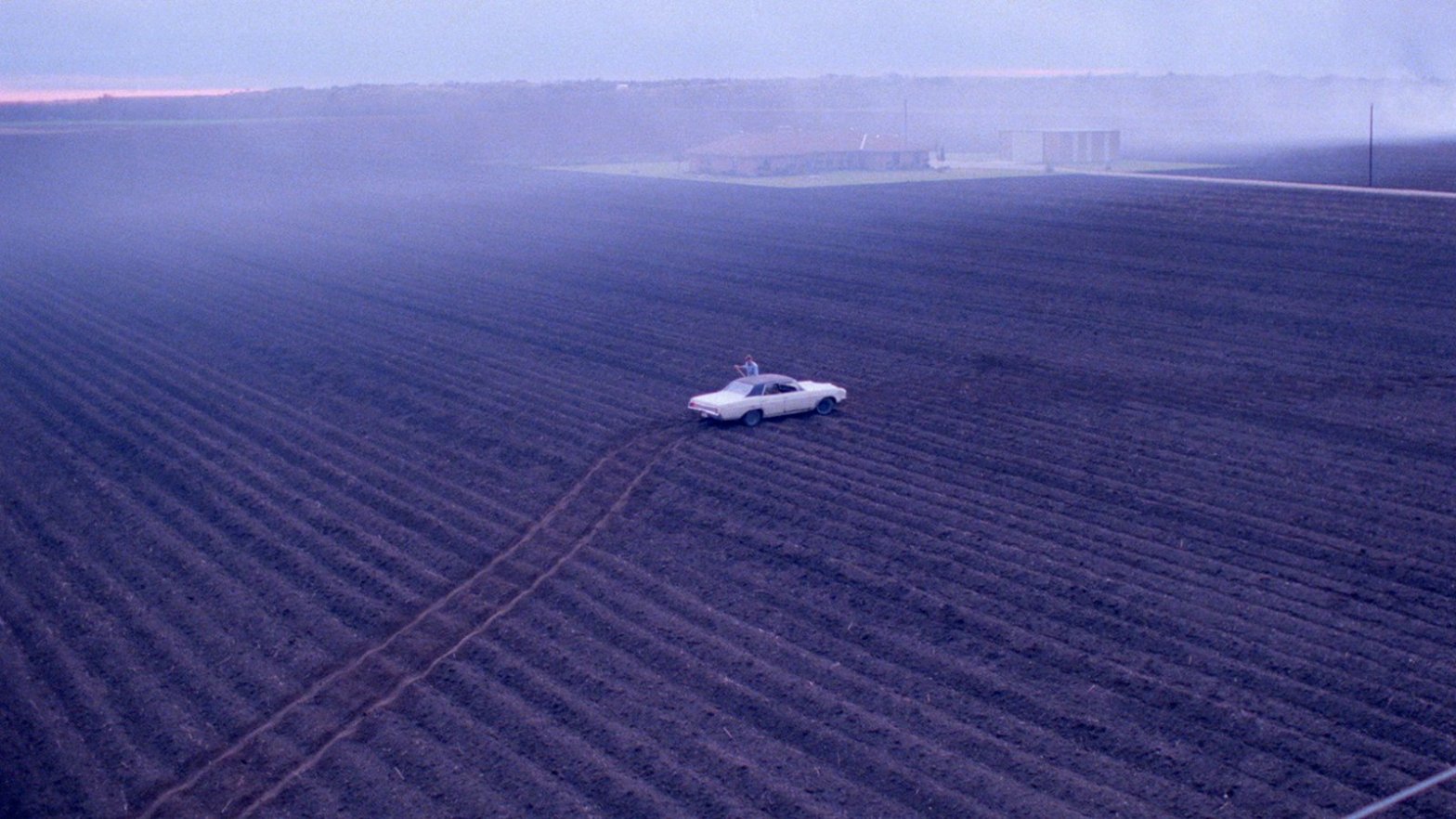
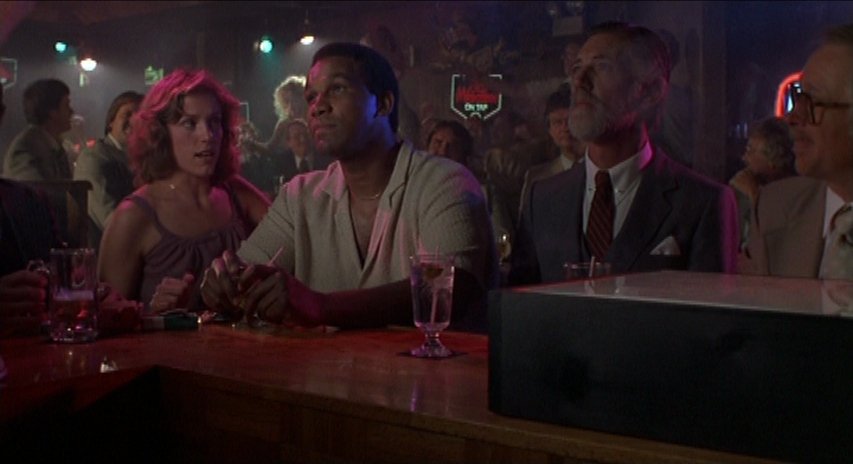
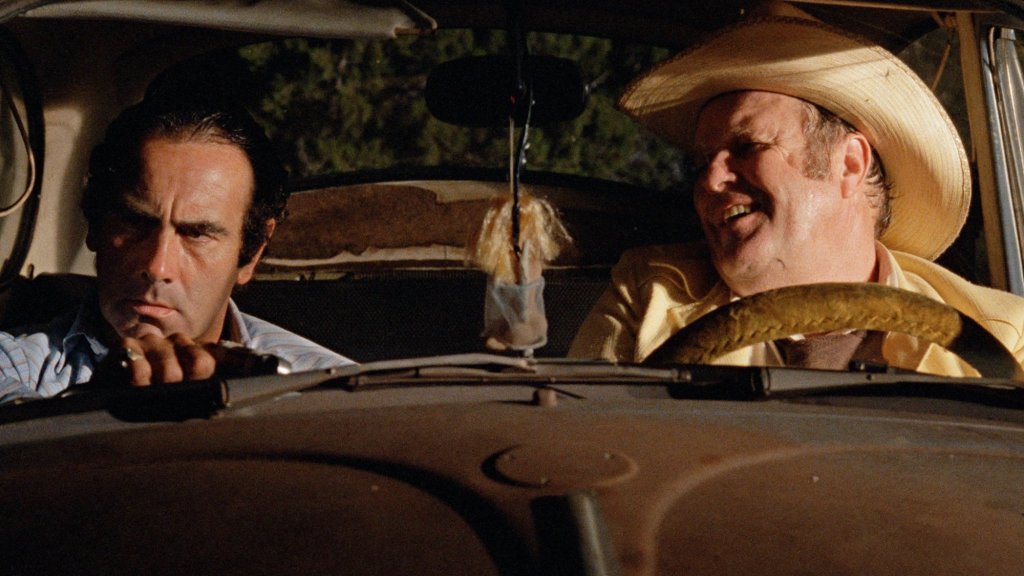
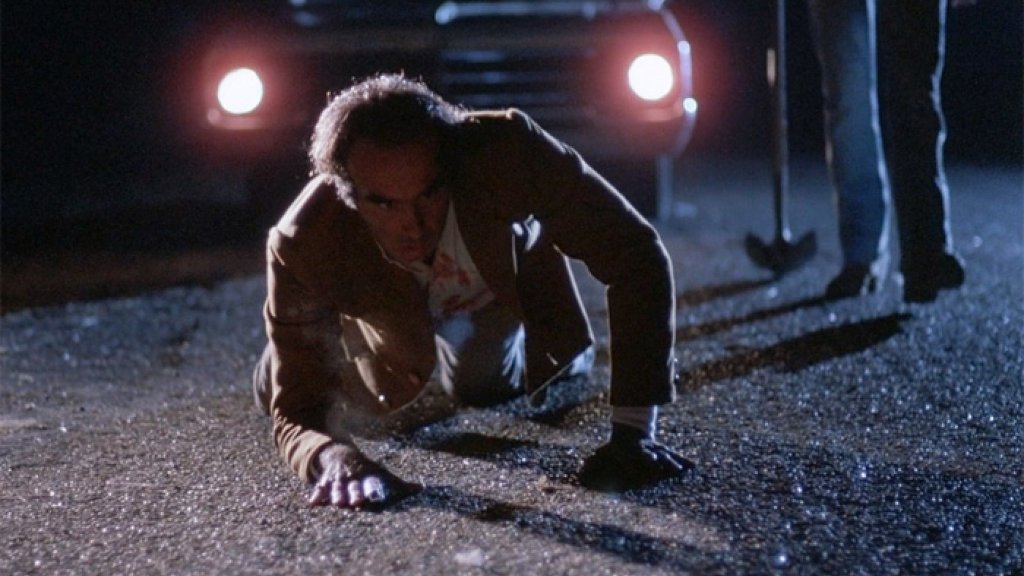
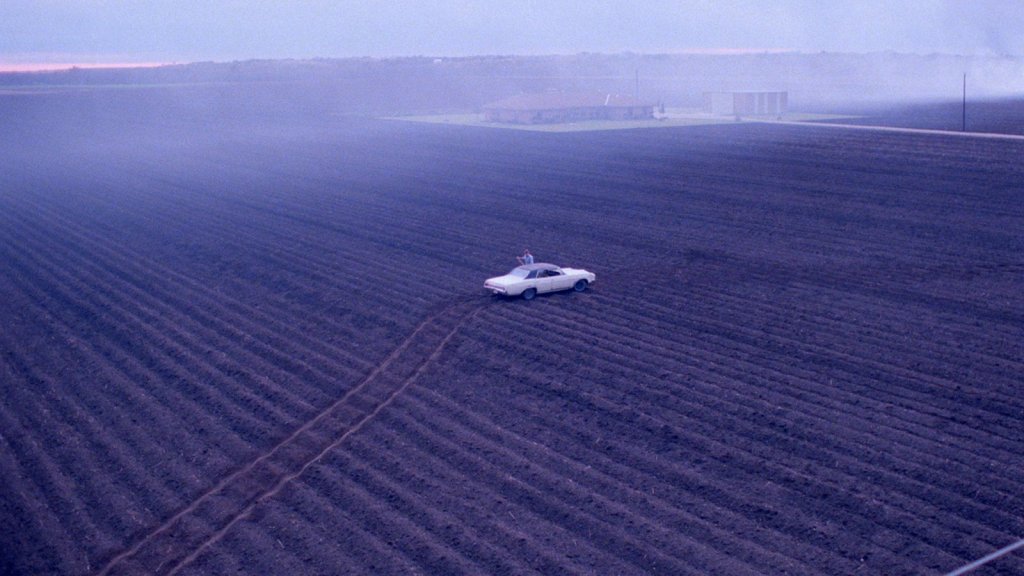
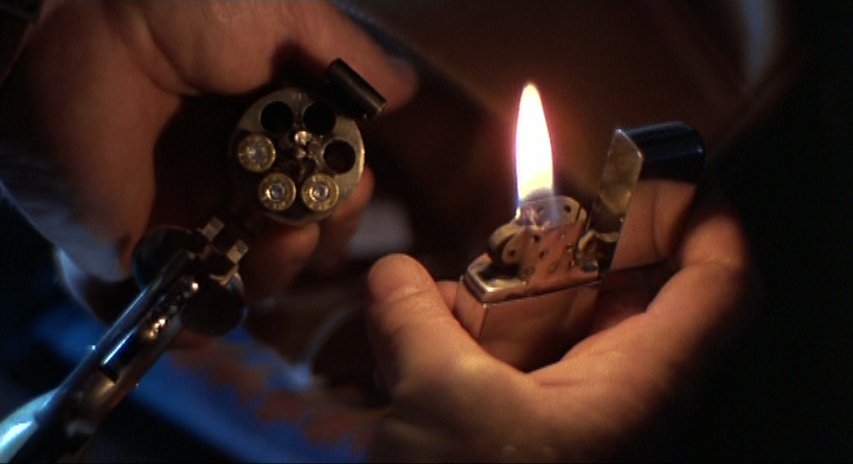
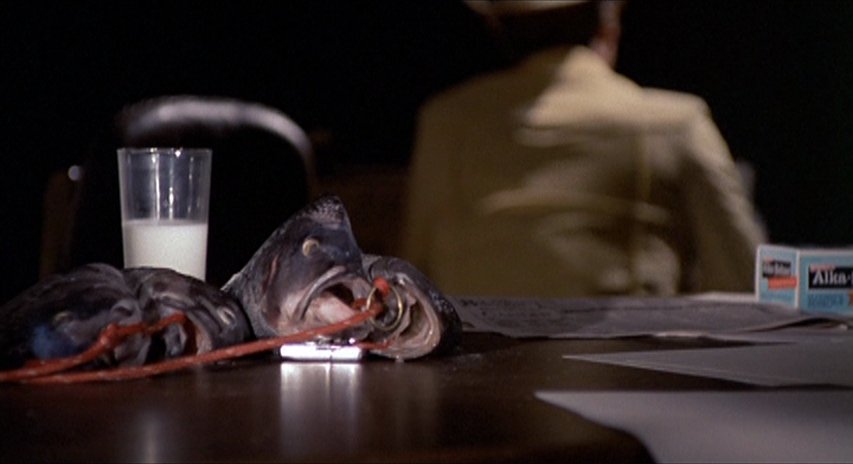
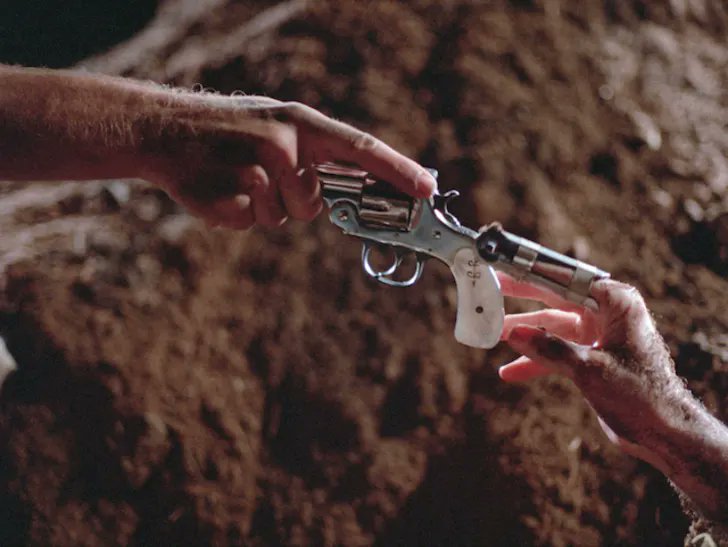
New episode! We watched 1985’s not-really-a-mystery movie Blood Simple. We discuss the Coen brothers and explore the familiar Coen tropes already present in their first film, get very annoyed at how utterly terrible Ray is at covering up a murder, wish the characters would just use their words, and list out the many, many clues left behind for the investigators to piece the events together. Katy tried to be cool in college by watching CItizen Kane alone, Carrie uses the word “hirsute,” Maddy remembers a specific owl from Adventure Time, and Mack tells a painful story from high school gym class. We run through filmography of M. Emmet Walsh and Bruce Campbell, discuss wonderful dog etiquette, wonder how badly the bar smelled by the end of the movie, teach Maddy about Checkov’s gun theory, and learn how to seduce Frances McDormand. We also discuss connections to Supernatural, the Great Gatsby, Irish folklore, and Twilight, and give very minor Tiger King spoilers. Give it a listen!
TW: Being buried alive, blood, seeking help from the police, racism
CORRECTIONS
-Direct from Wikipedia “[Frances] McDormand has been married to director Joel Coen since 1984”.
-The ability to connect bullets and guns together forensically definitely existed before the 1980’s; the earliest documented case was in 1835 but it is possible it happened before. It was further modernized in 1925 with the invention of the comparison microscope. (Wikipedia)
–Forensic DNA analysis was first used in 1984 so it was very new and maybe would not have been used to match the blood in Ray’s car to Marty but they could have matched blood type easily.
-Forensic investigators could definitely have used chemistry to detect the presence of human blood even if Ray did wipe up the back room. Also luminol has been used to detect the presence of blood since the 1930’s. (Wikipedia)
-Carrie referenced the O’Brien Family Banshee and then we talked over her so basically there is a legend that certain great Irish families have their own banshee, including the O’Briens. (link) (link)
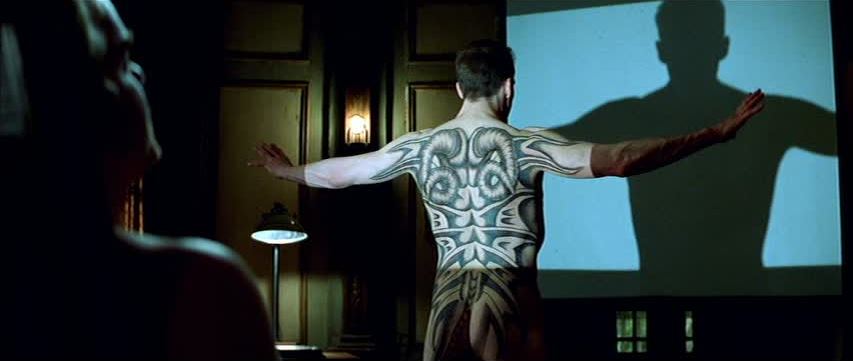
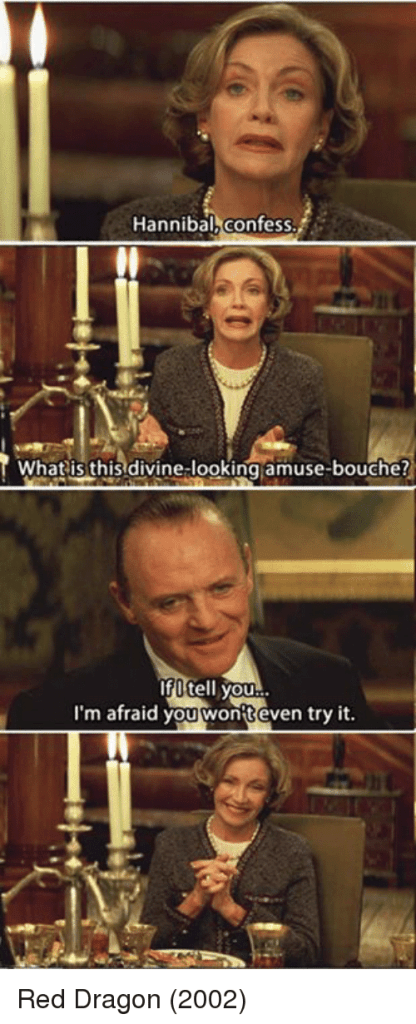
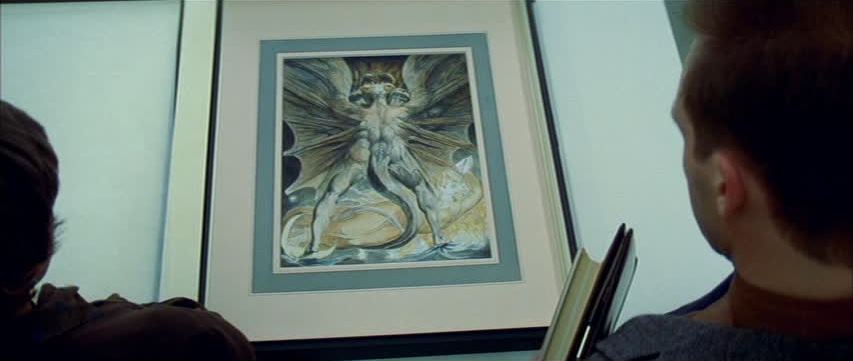
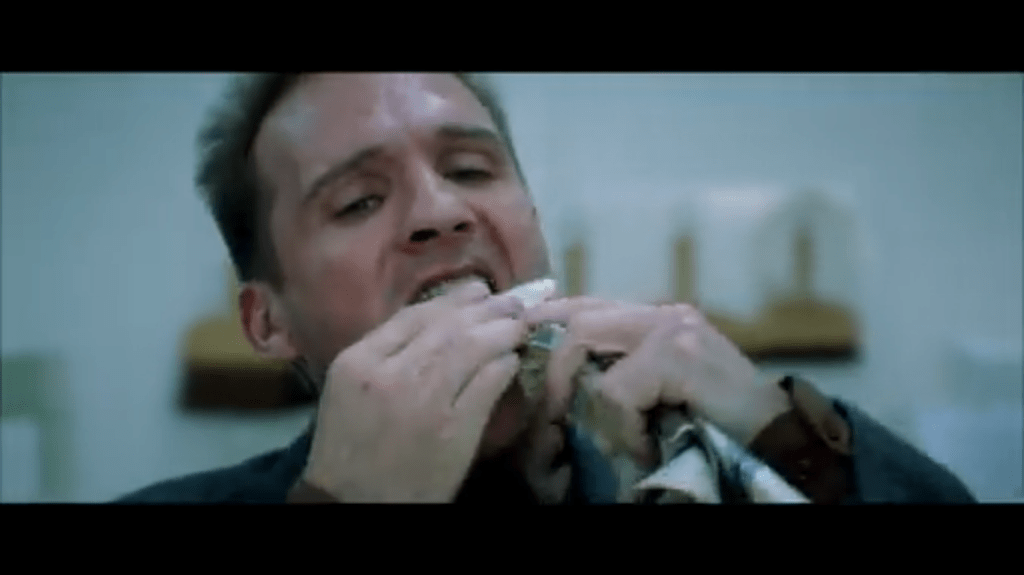
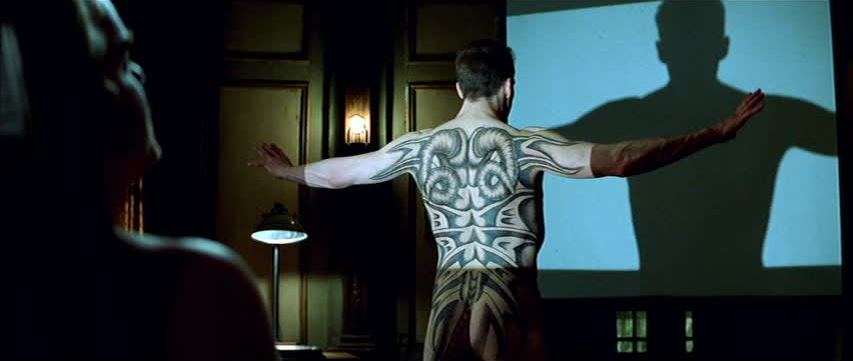
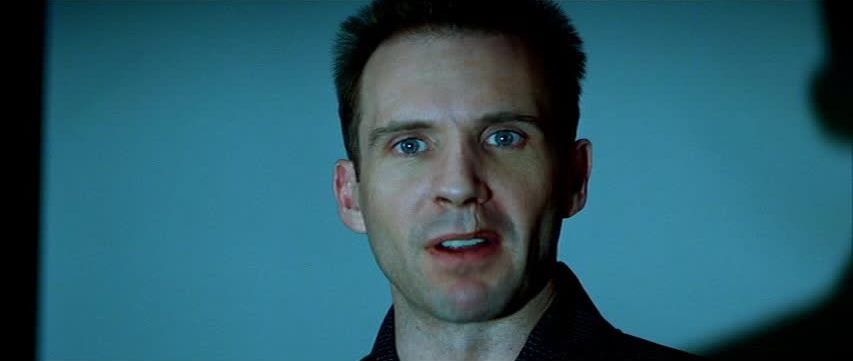
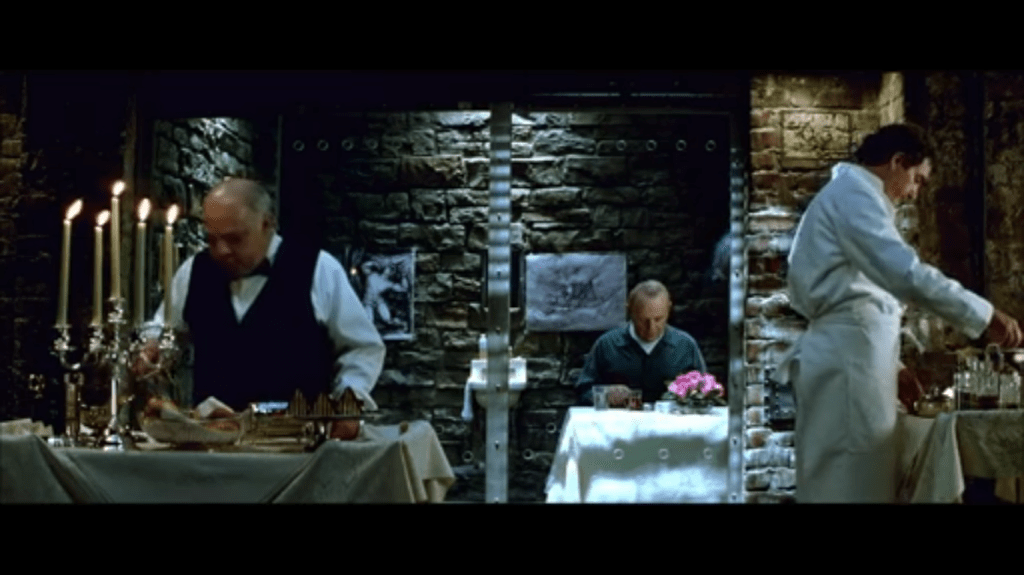
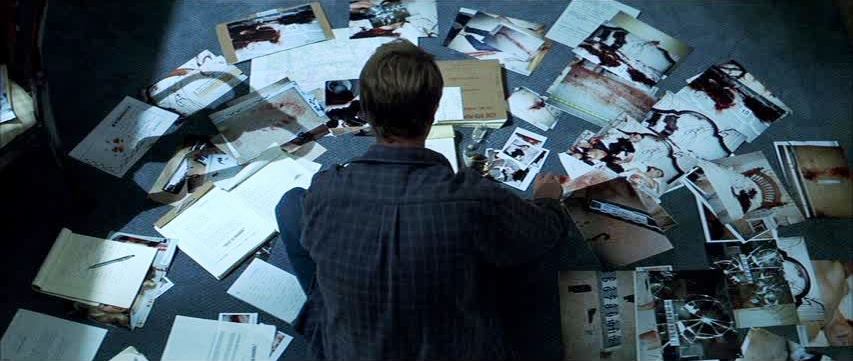
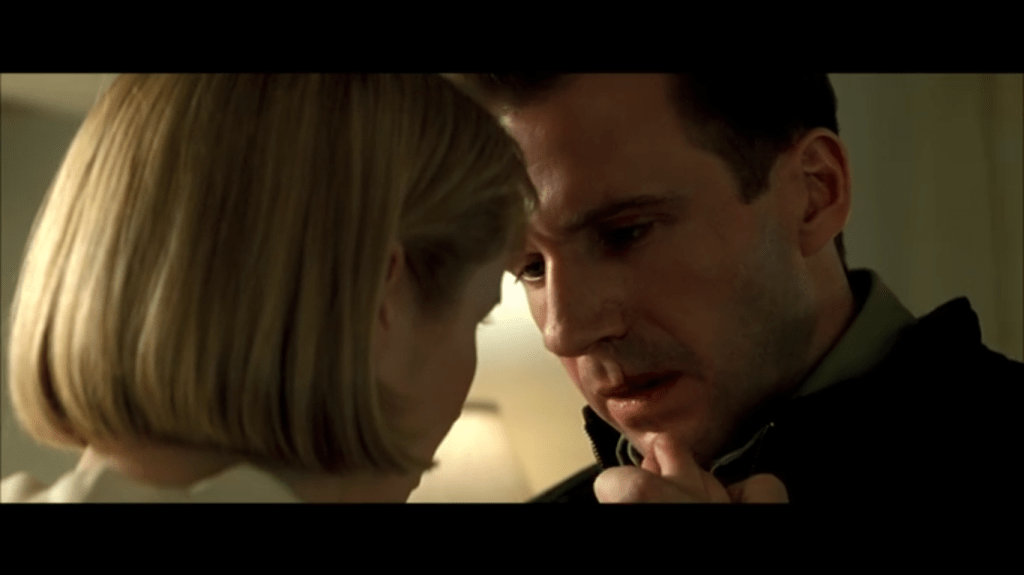
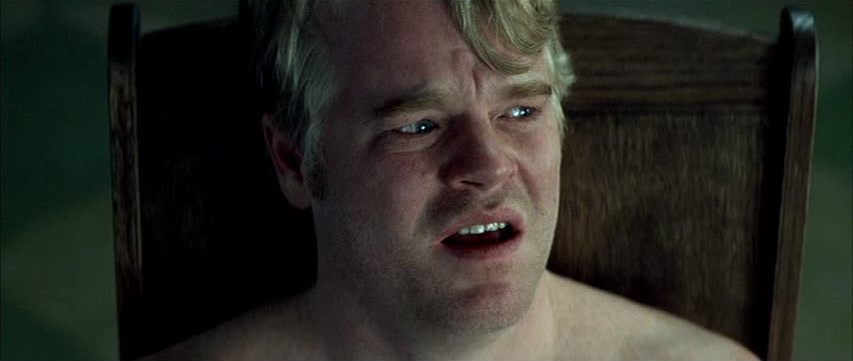
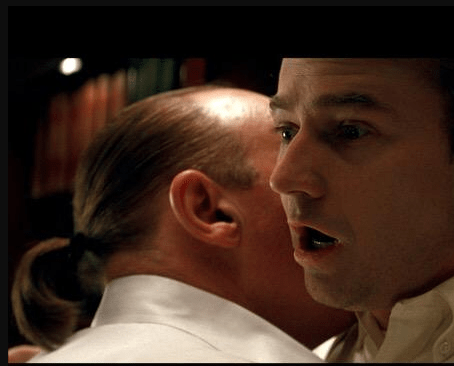
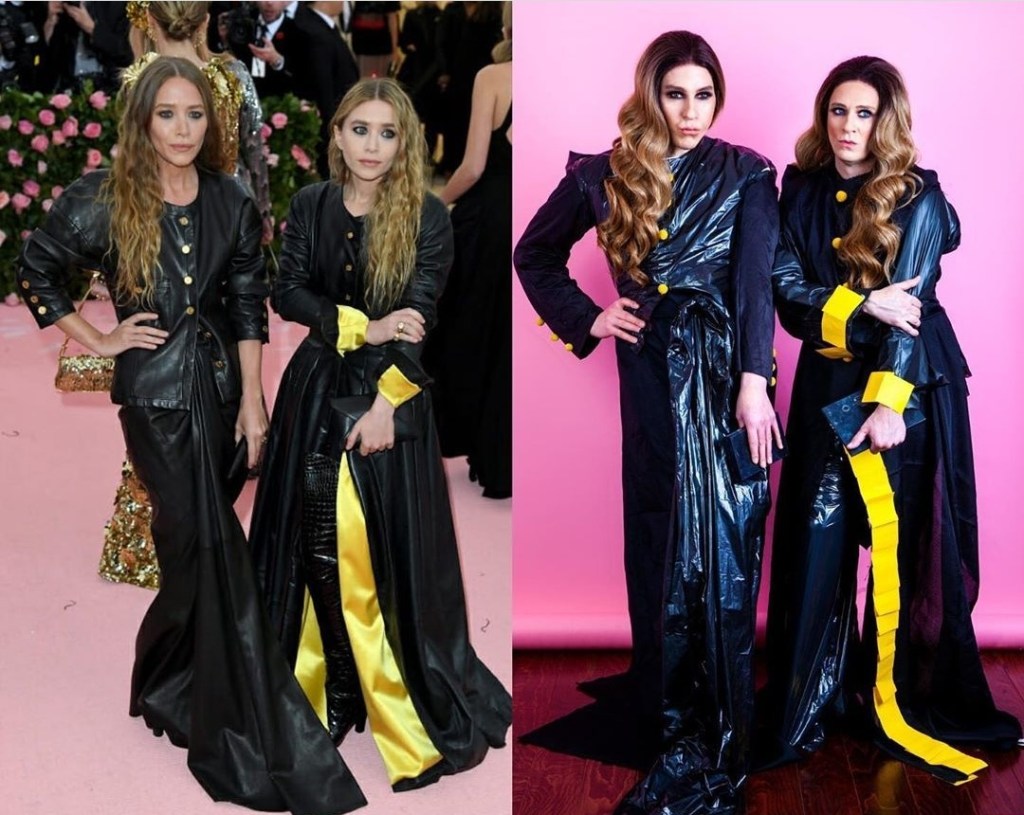
New episode! We watched 2002’s Red Dragon and cover how this movie fits into the Hannibal Lecter Cinematic Universe™. We discuss the excellent almost-over-the-top-but-not-quite acting choices, the actually good detective work, the confusing but tragic reality that the Dragon lived in, and how this is one of the best book-to-movie adaptations. We also learn this is Carrie’s first encounter with Hannibal as played by Academy Award Winner Anthony Hopkins and are sorry that her first experience is Hannibal Lecter with a ponytail (A PONYTAIL). Katy does not like Edward Norton, Carrie has copyediting notes for the location graphics team, Maddy shares cat facts, and Mack really tries to keep the summary on track. We also talk about the horror of seeing Voldemort’s dongle, compare Hannibal to Mary-Kate and Ashley, discuss the trope of the “mildly autistic super detective” even though Will is not portrayed as autistic (“he’s just a special man that can see murder thoughts!”), wonder what the deal is with serial killers and scrapbooks, and do not know how to say Ralph Fiennes. “Big yikes all around!” –Maddy
Originally recorded April 2020.
TW: Cannibalism, serial murders, child murder, post-mortem mutilation, rape, gore, allusions to lynching, child abuse, mental illness as a homicidal trope
Eat the painting. Be the painting.
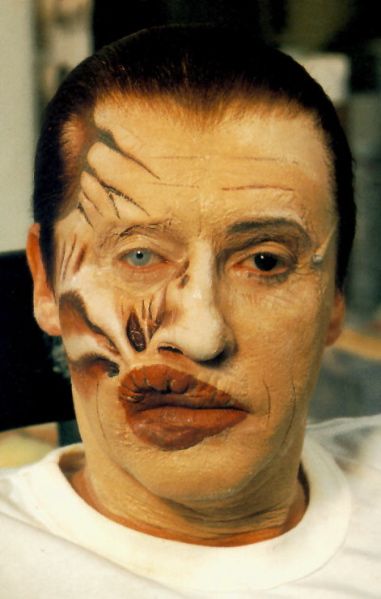
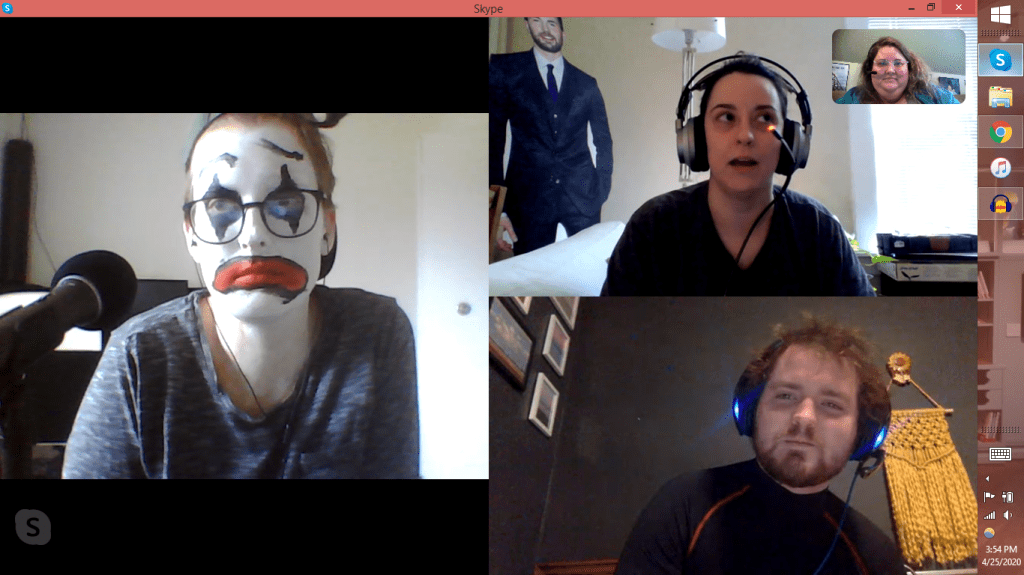
The difference between doing ugly hot makeup and hot ugly makeup
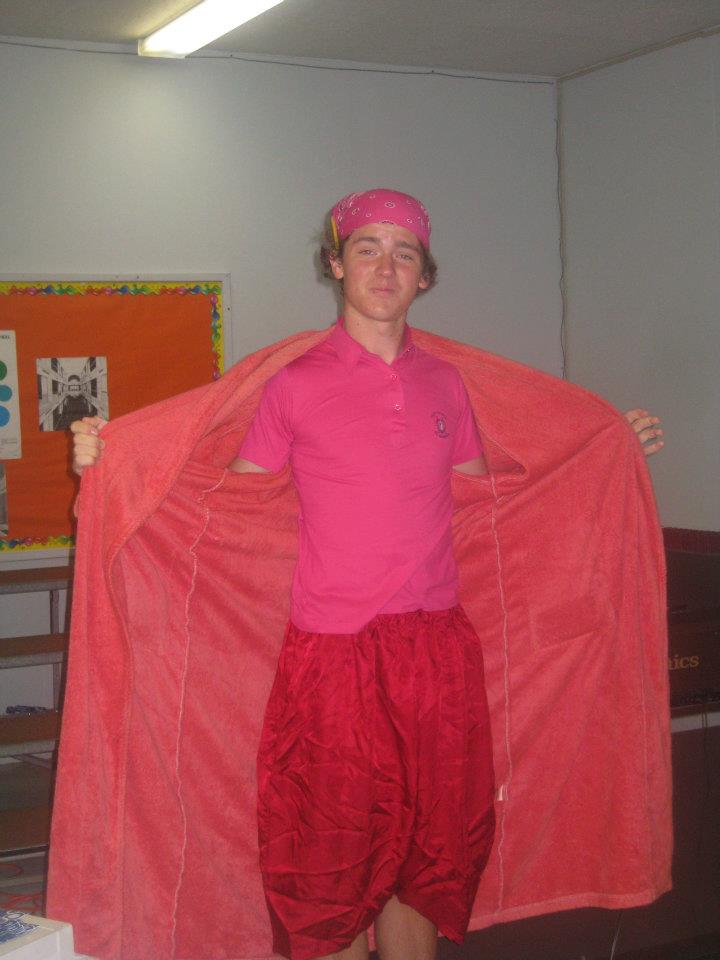
Maddy brings a professional air to the podcast meetings.
-Crab shells are not technically skin. They are an exoskeleton formed out of chitin and other secretions. When a crab molts, they completely lose their outer shell and then grow a new skin which hardens into a shell. (Source)
-Katy misnamed the author of “It was the best of times, it was the worst of times…” It was definitely written by Charles Dickens and not Mark Twain.
Reading obsessions
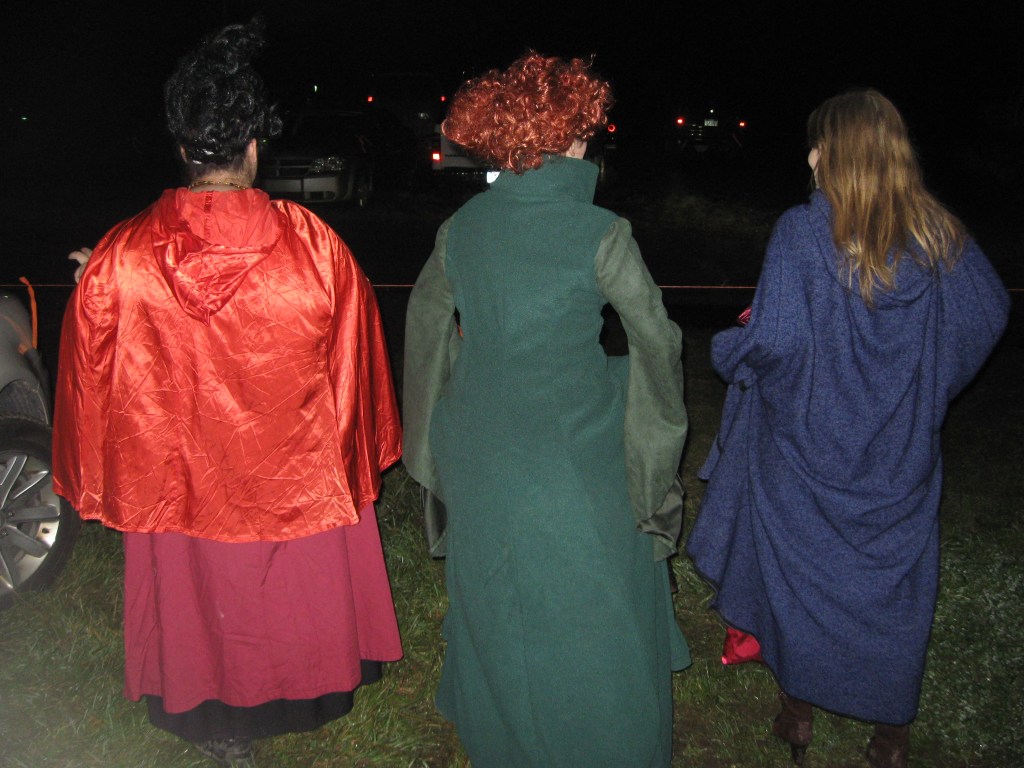
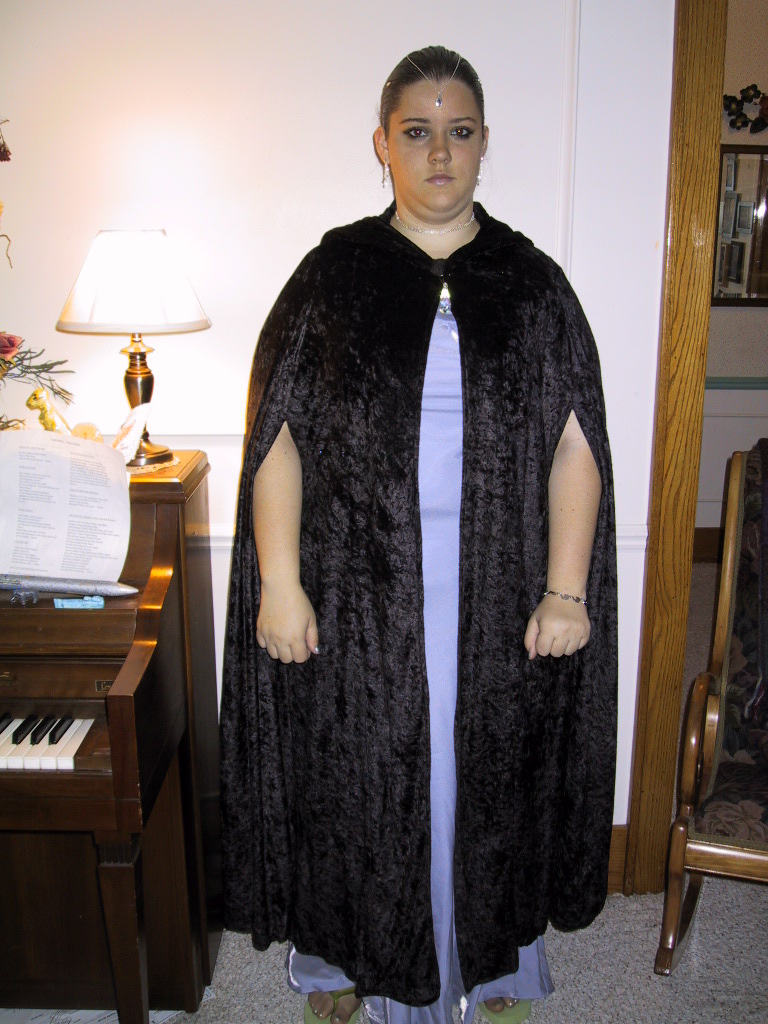
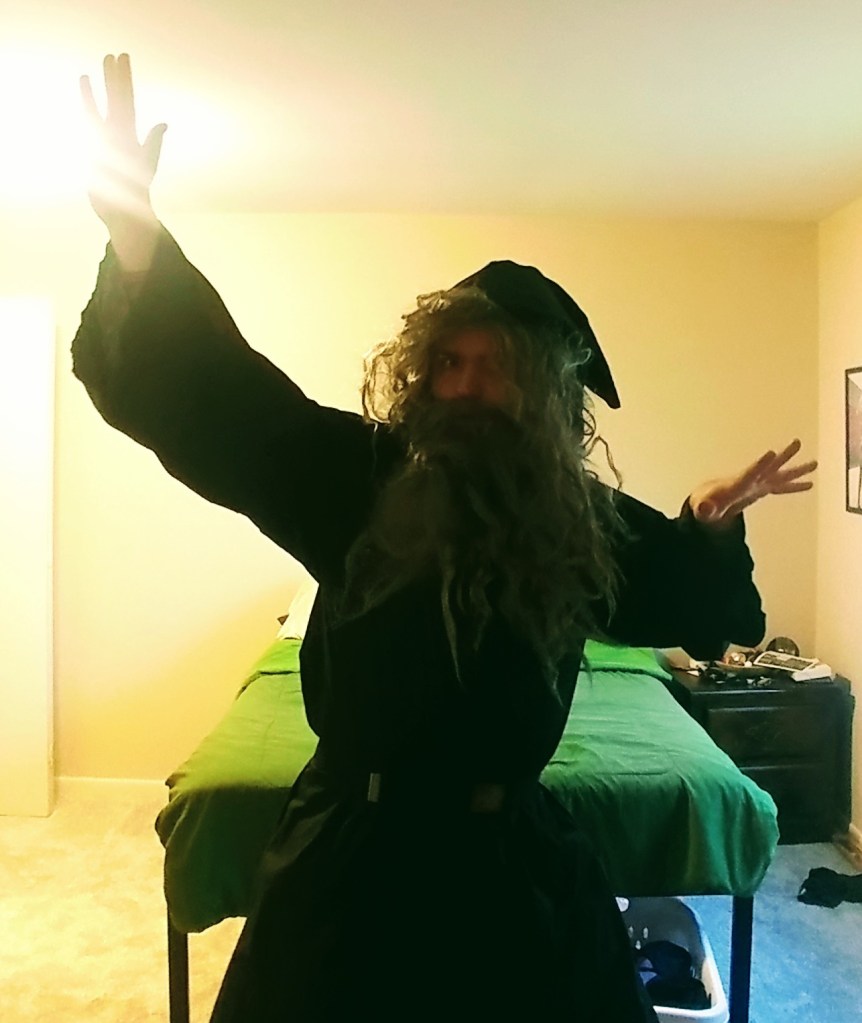
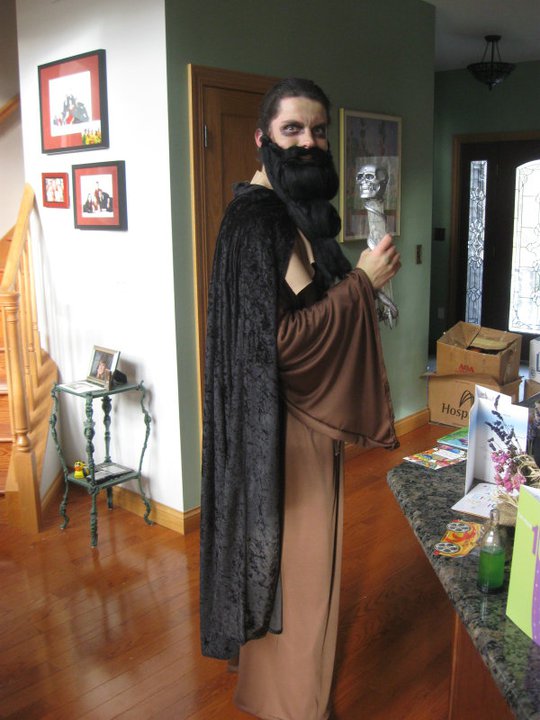
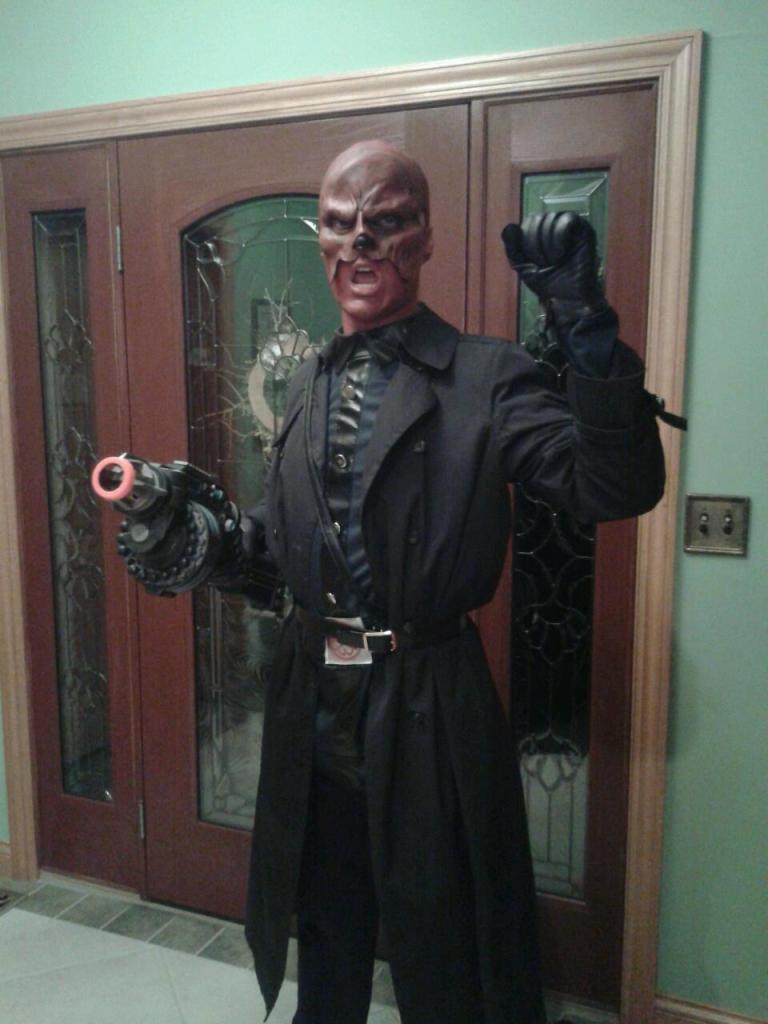
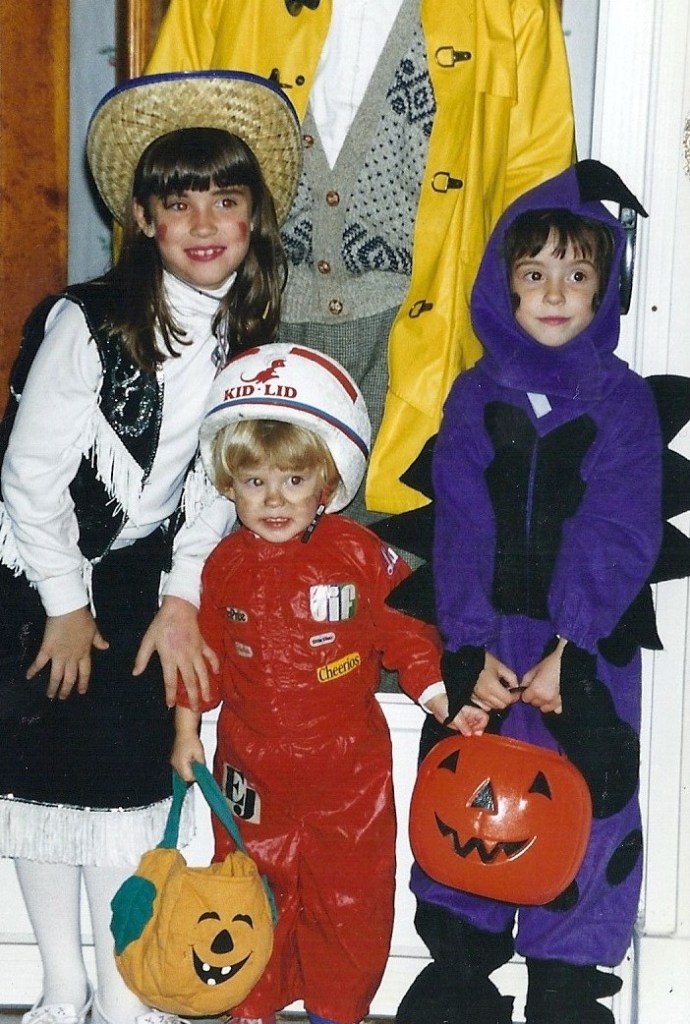
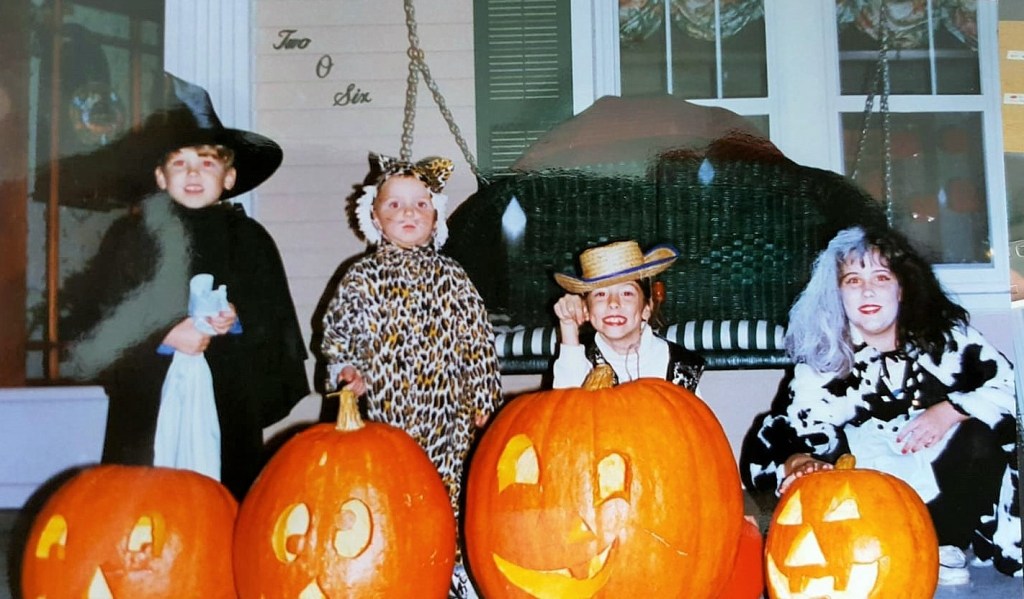
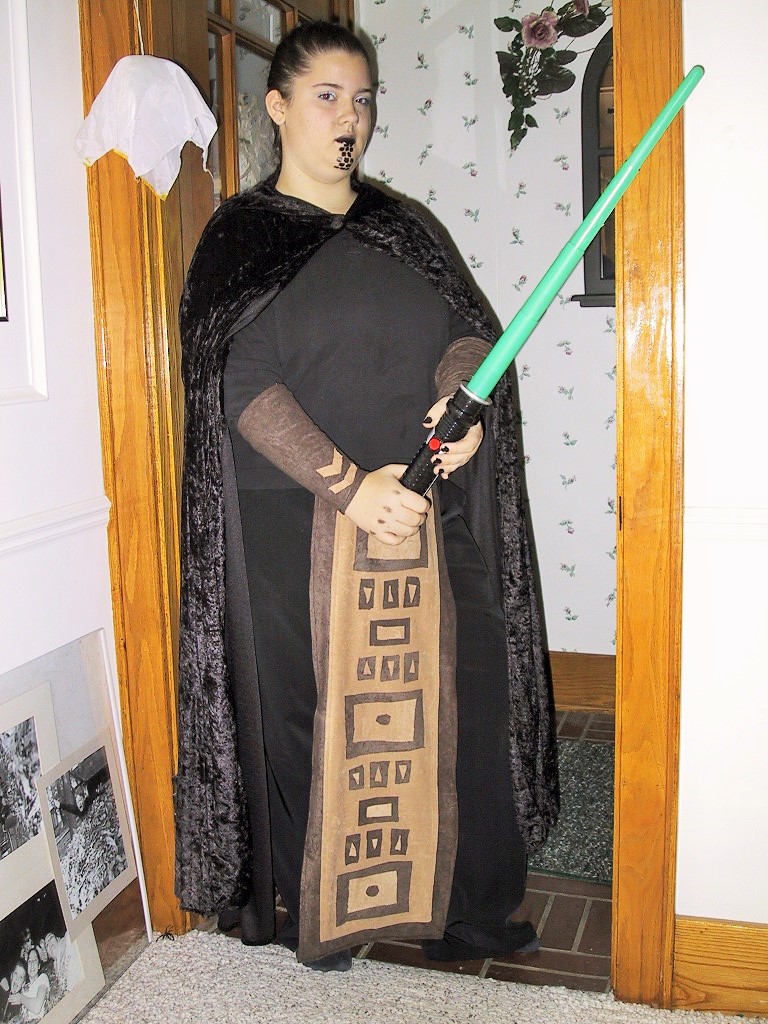
Sweet Halloween costumes
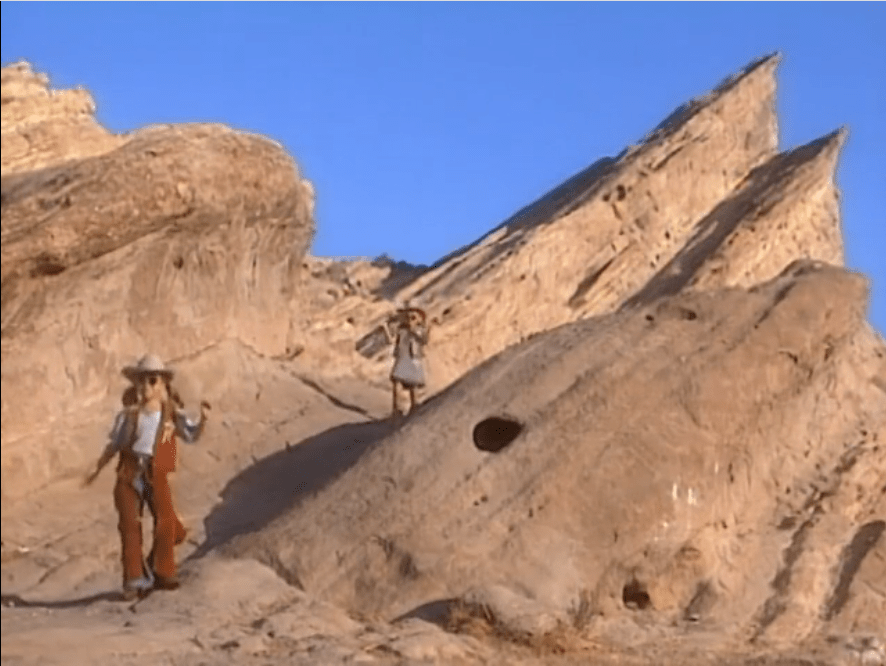
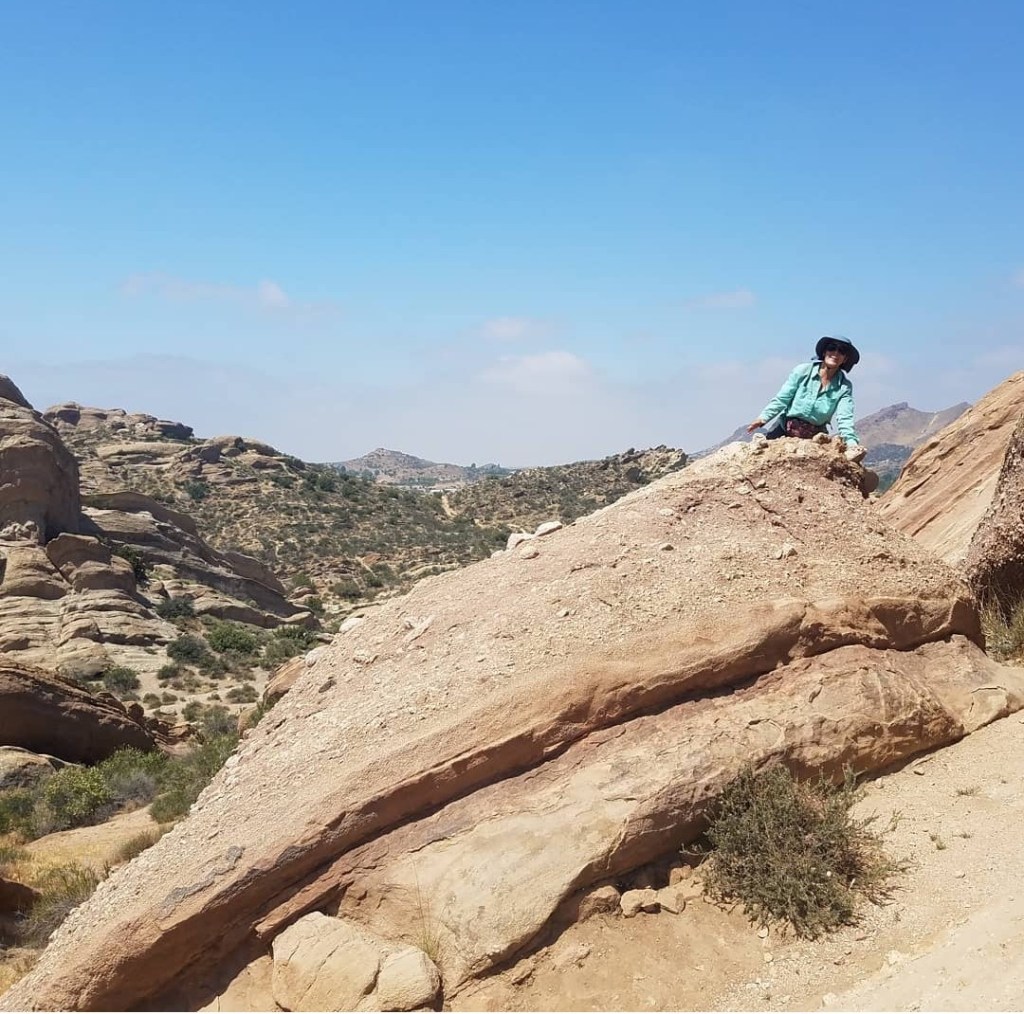
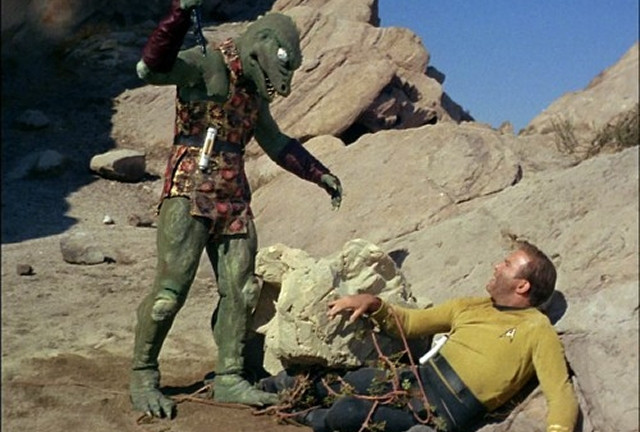
Vasquez Rocks in California!Trixie Mattel and Tom Lenk showing off a lewk
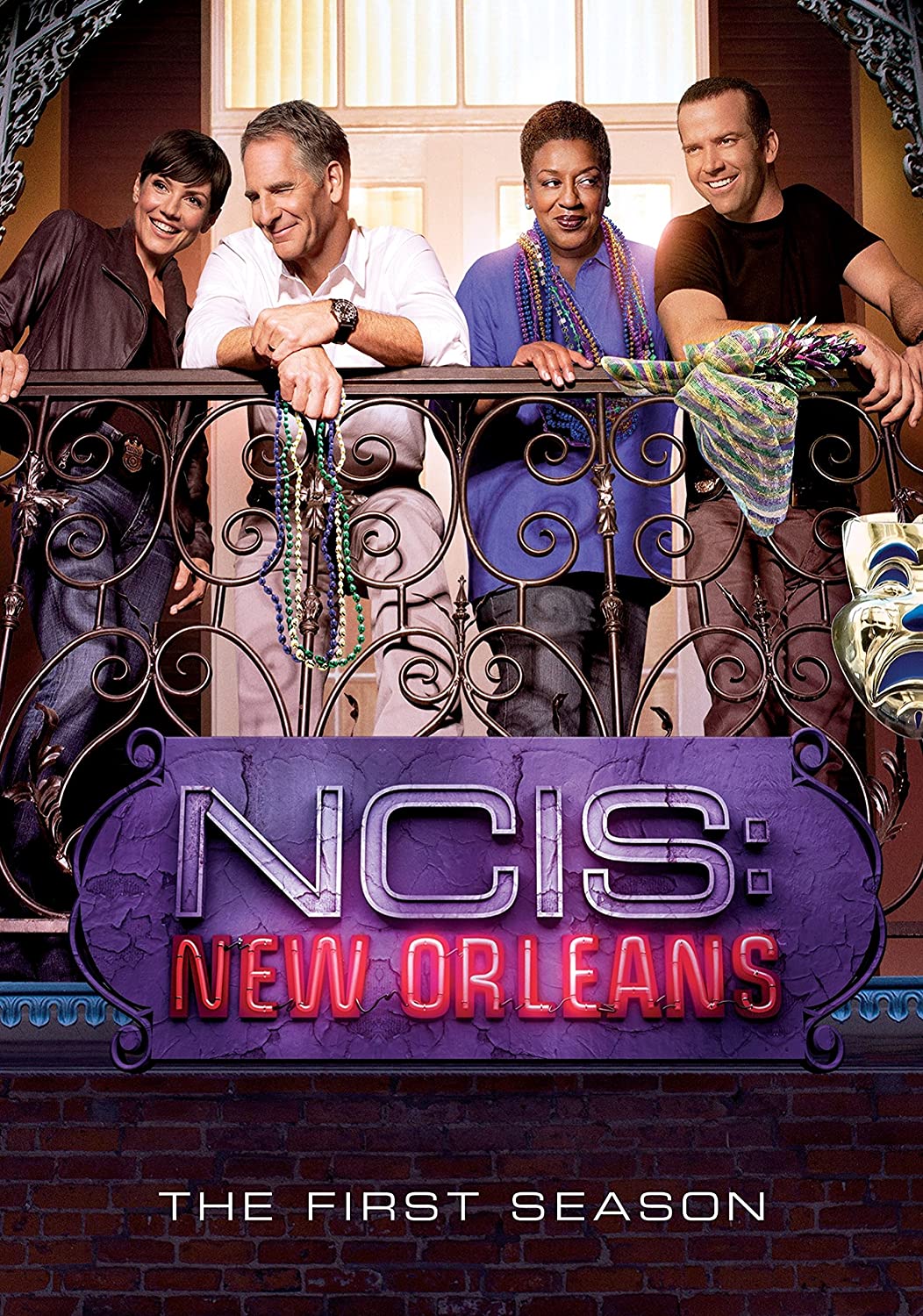
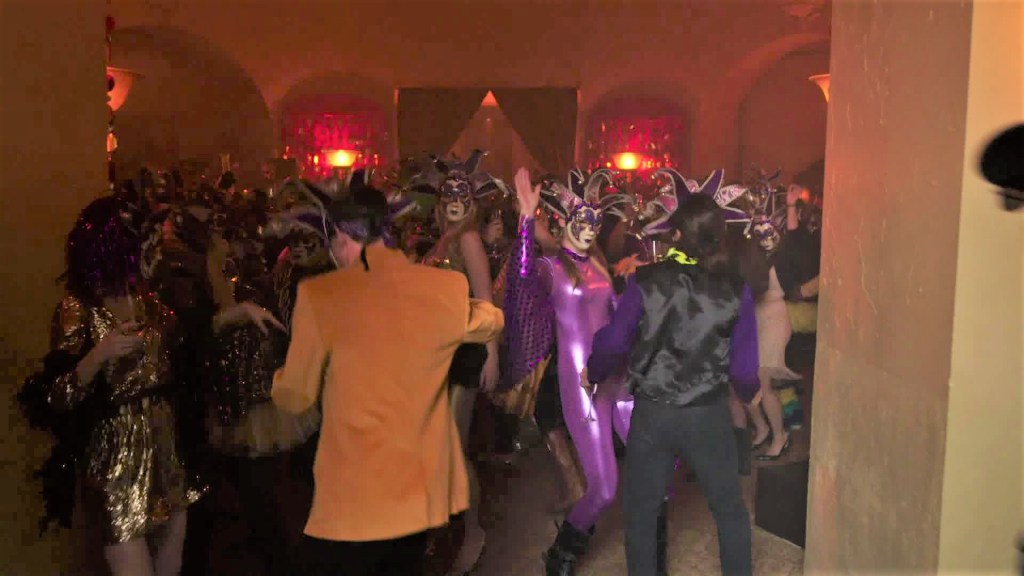
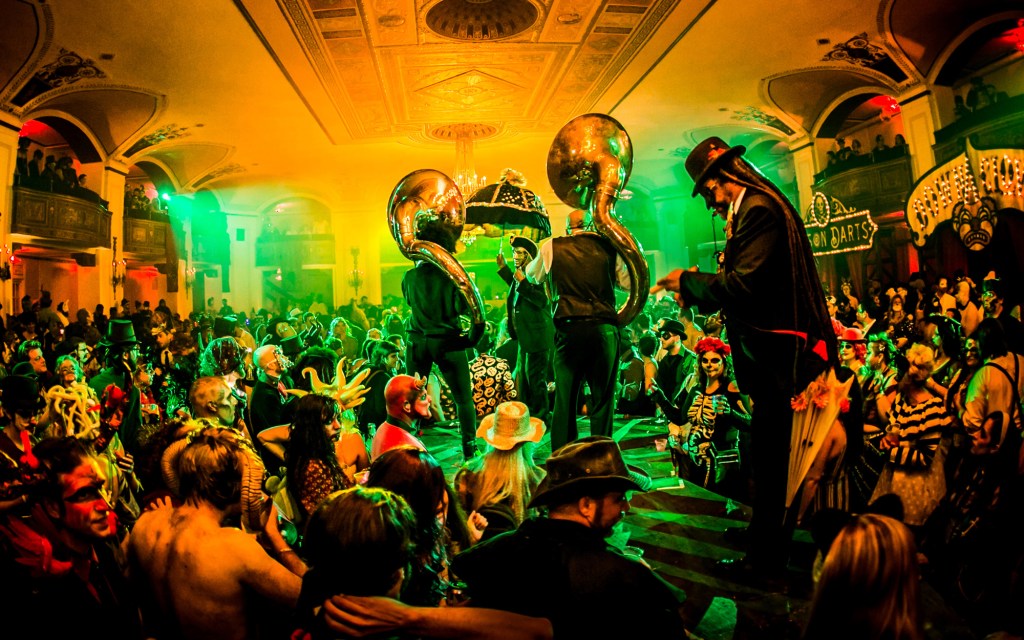
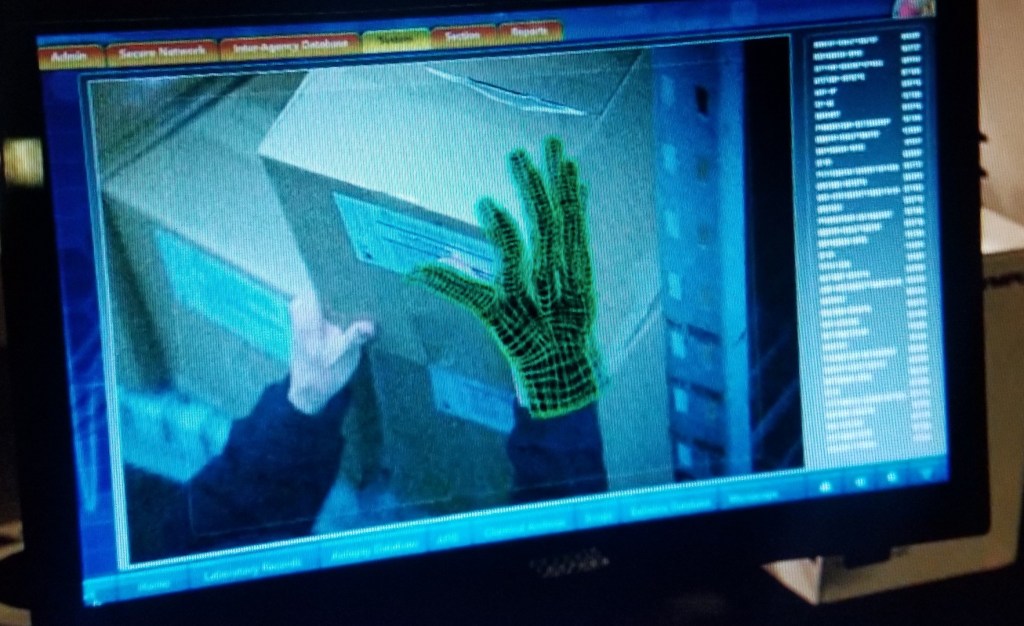
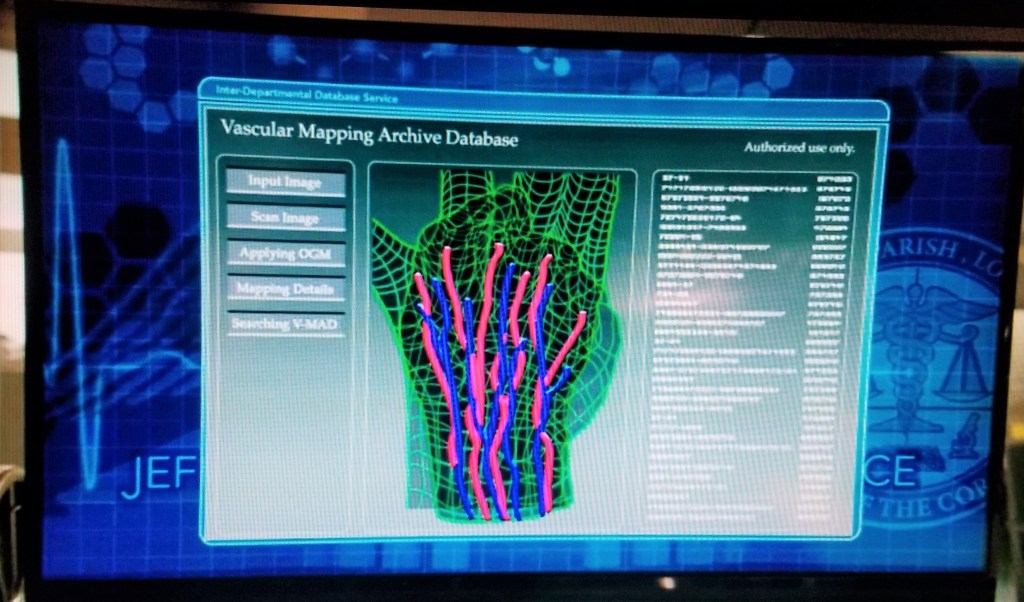
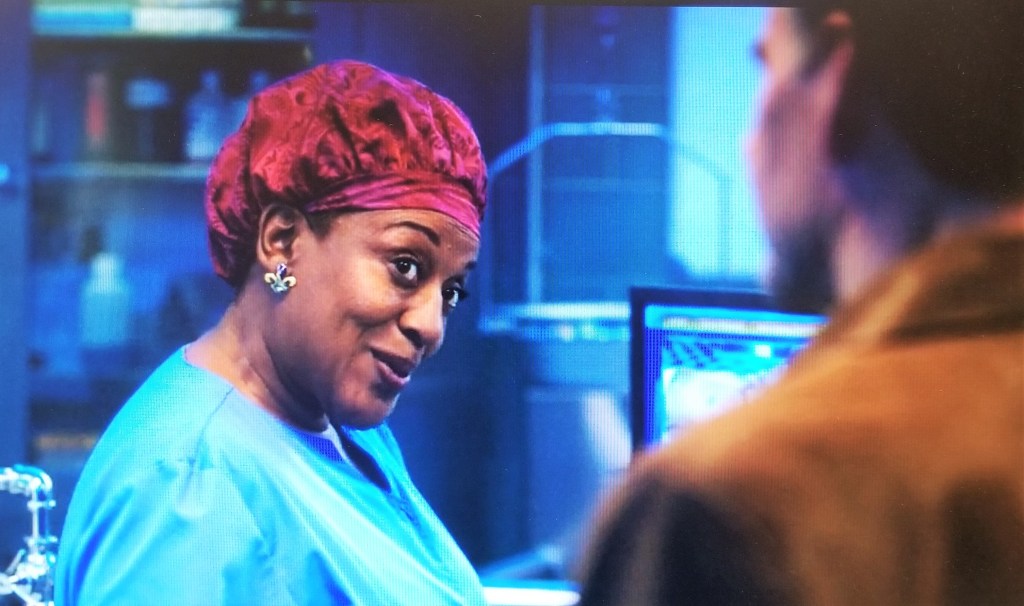
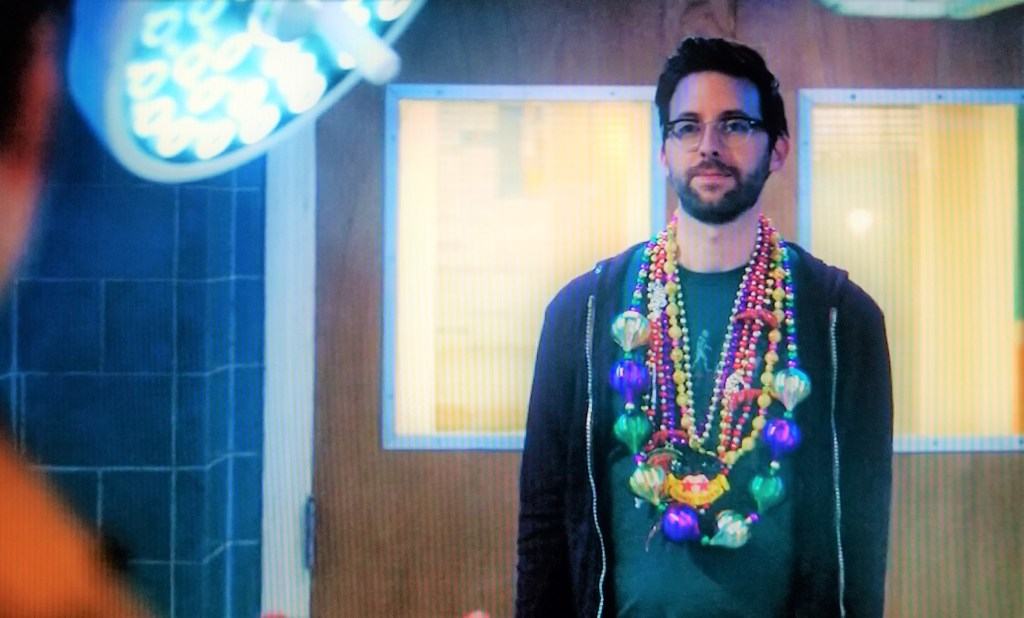
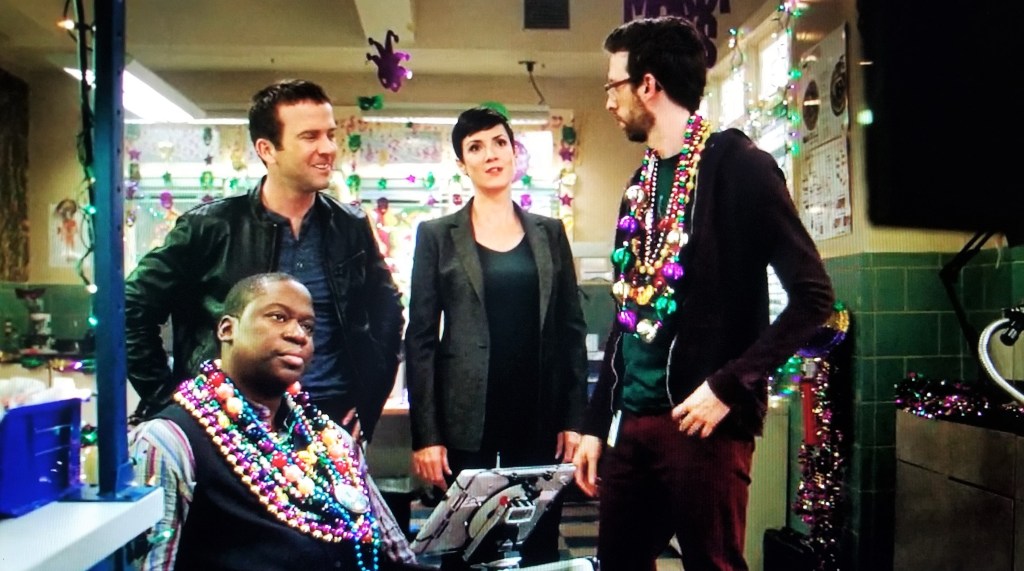
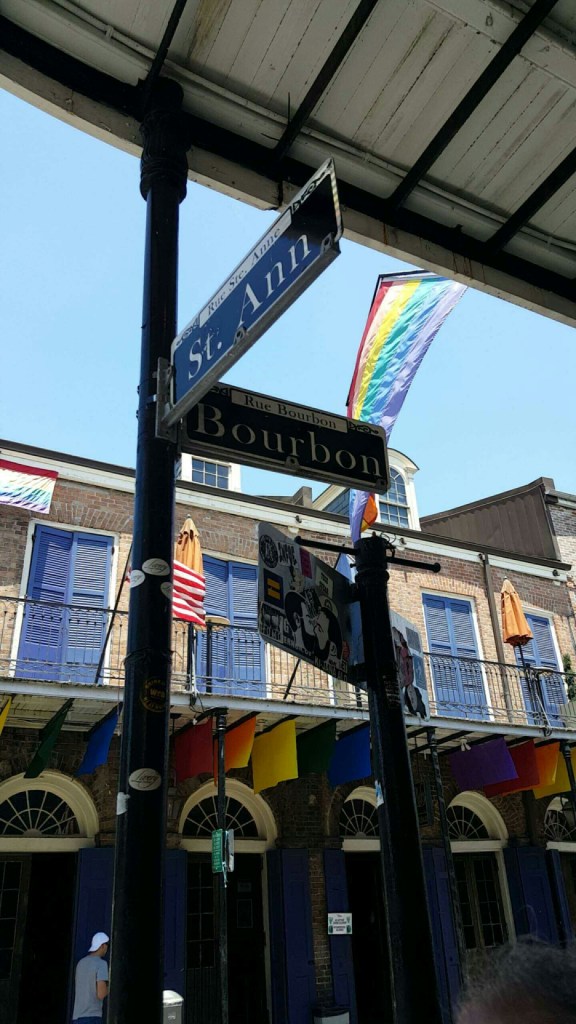
It’s time to party Mardi Gras style! We watched S1E15 of NCIS: New Orleans, “Le Carnaval de la Mort” which from the get-go made us realize we cannot speak French. We get into the tropes of CBS procedurals—from their penchant to create spinoffs, to the immediately recognizable character traits, to weird expository dialogue, to trying to fit horrendous crimes and the emotional reactions to them in 42 minutes. Katy tries to talk up the Bond franchise with one of its worst moments, Carrie brings up Hocus Pocus two separate times, Maddy teaches us about vein recognition, and Mack has very strong feelings about the depiction of “nerds.” We also discuss how anyone can make a badge or business card so why do we trust them, how we love the setting and location work in New Orleans, get really judgy about some of the parties and parades depicted, and talk about how Mack used to bite people. (He was being a dinosaur.) Plus, we all try out our own Wookie sounds and discuss how much we like Scott Bakula. Enjoy!
TW: drug use, death by overdose, stabbing, police, military & law enforcement departments, law enforcement negligence
CORRECTIONS:
-Mack kept calling LaSalle “Cajun” but he really meant “Southern”; LaSalla and the actor who plays him (Lucas Black) are both from Alabama and would not be considered Cajun. Source 1Source 2
-Don Johnson does not star in JAG. He starred in Nash Bridges.
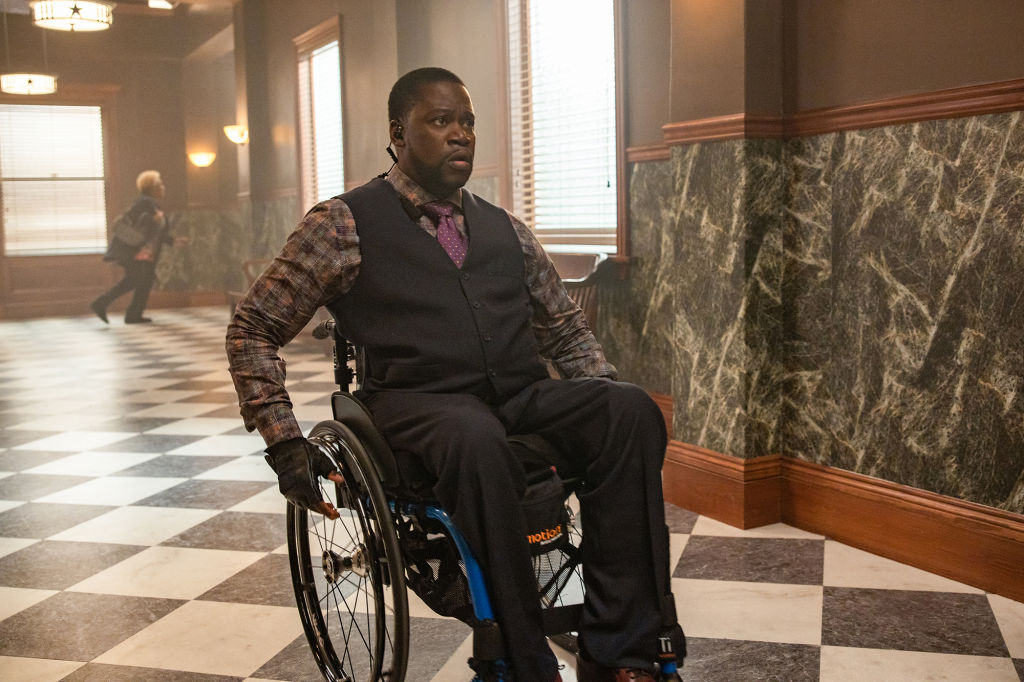
NEW ORLEANS – OCTOBER 1: “Boom-Boom-Boom-Boom” – Following a natural gas explosion at a movie theater, the NCIS team discovers the gas company has been hacked and more explosions could be triggered, on “NCIS: NEW ORLEANS,” Tuesday, Nov. 12 (10:00-11:00 PM, ET/PT) on the CBS Television Network. Pictured L-R: CCH Pounder as Dr. Loretta Wade and Daryl Chill Mitchell as Patton Plame (Photo by Sam Lotheridge/CBS via Getty Images)














 Mostly Murder (But Sometimes Not) Podcast