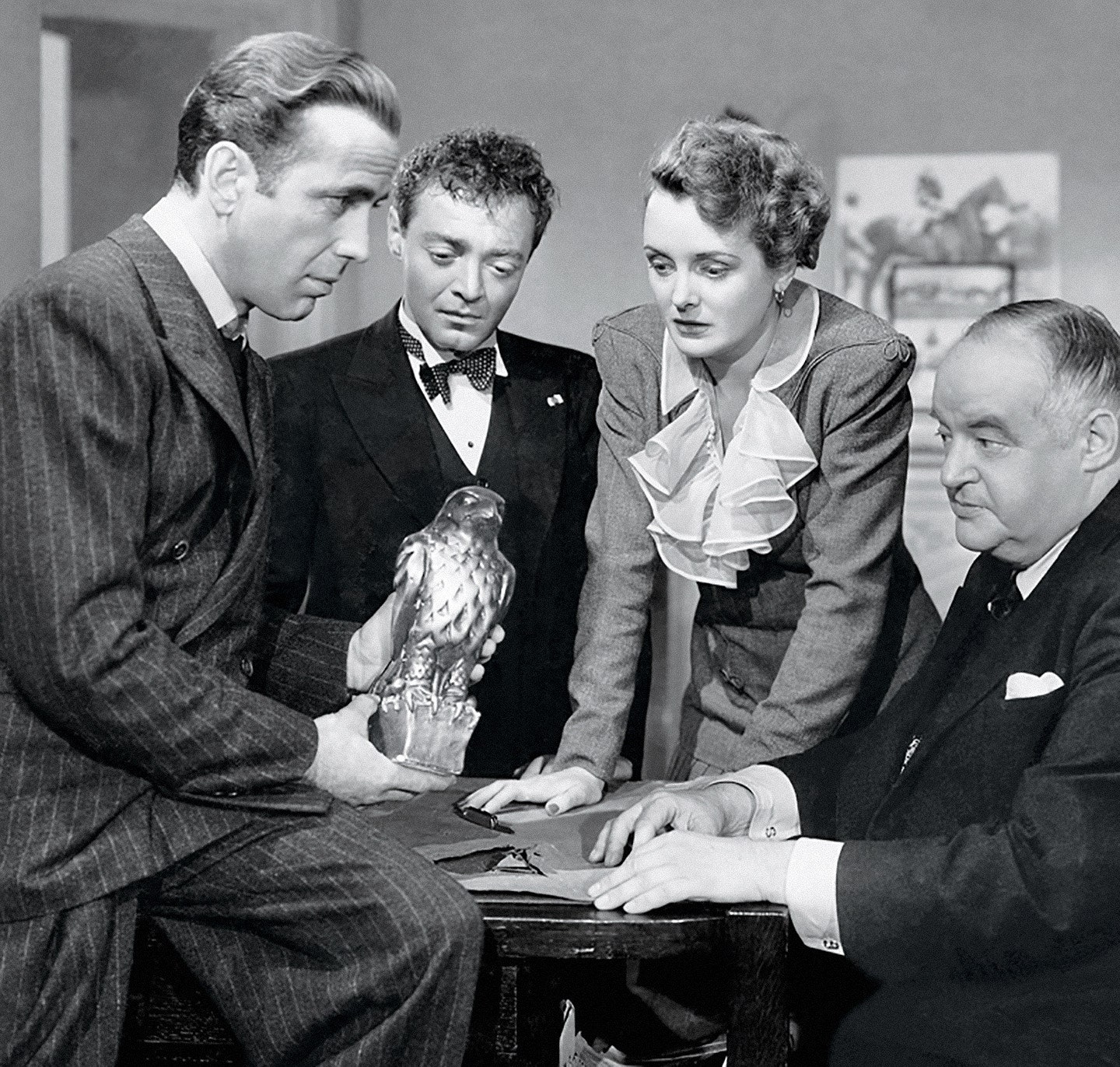
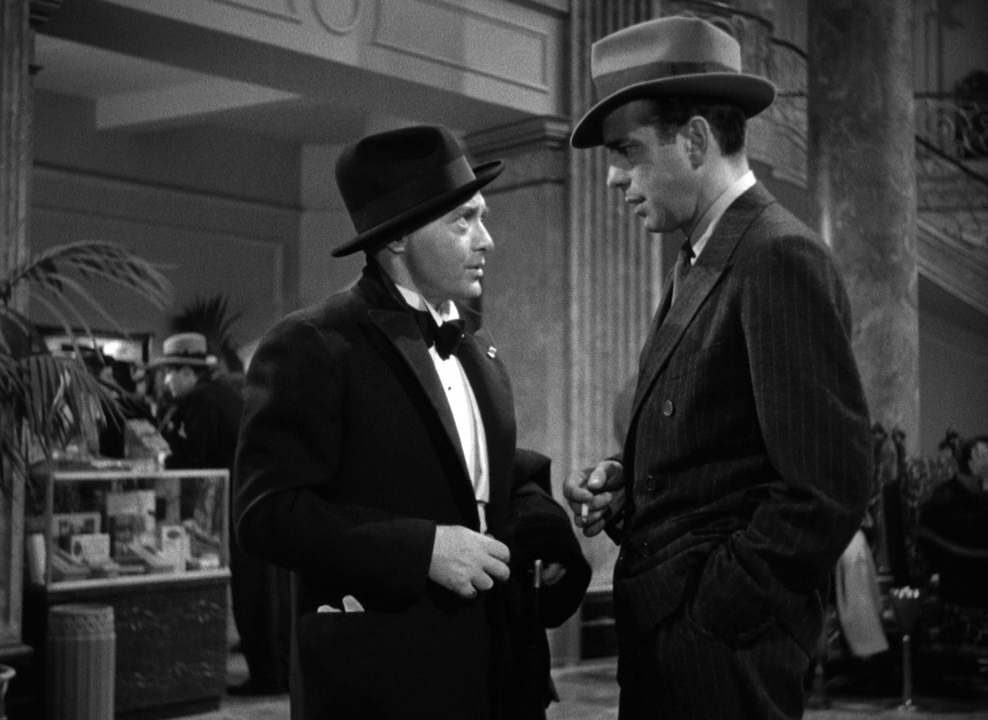
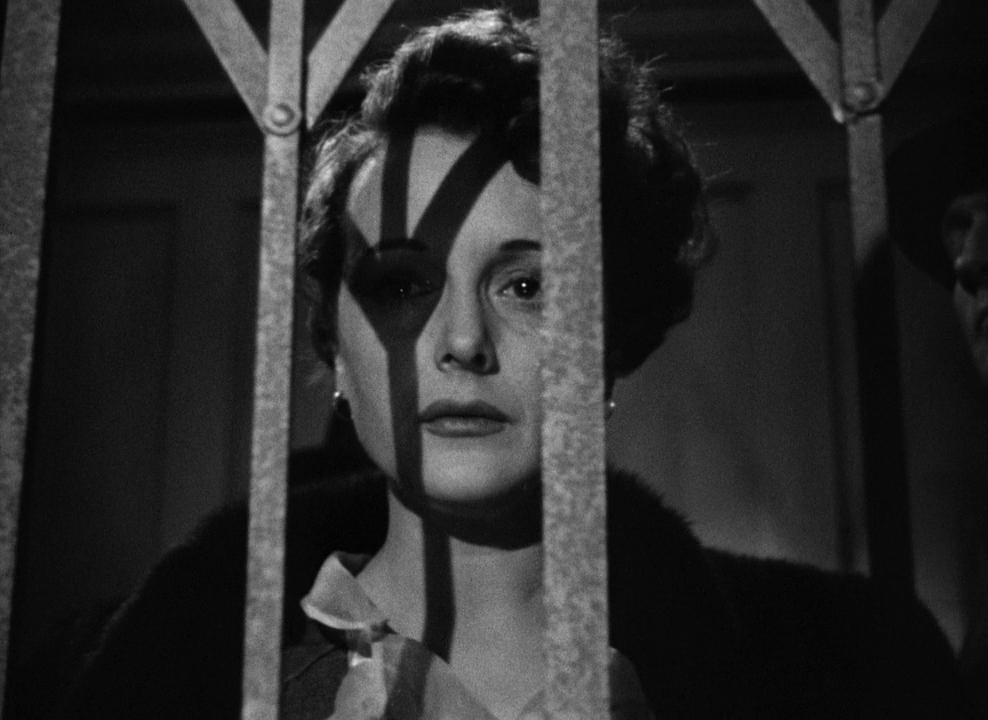
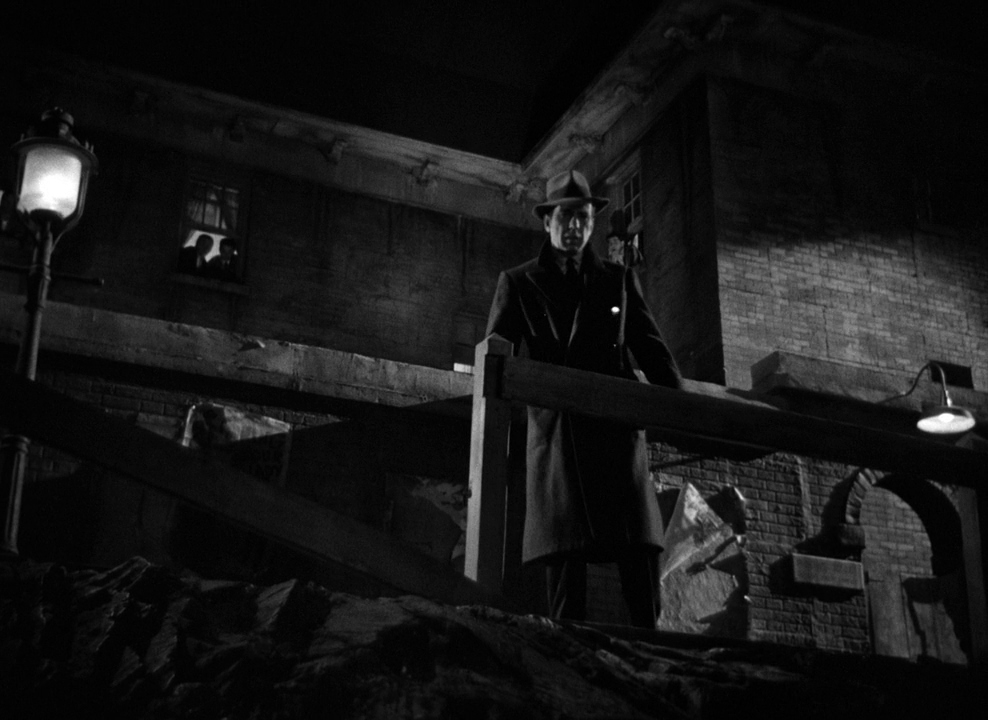
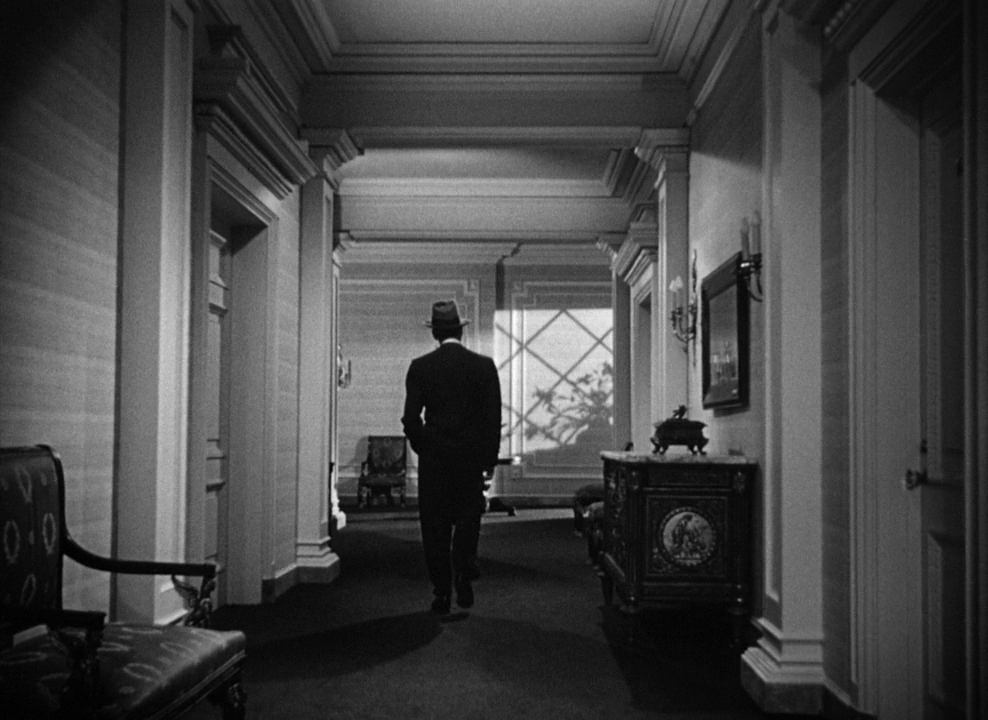
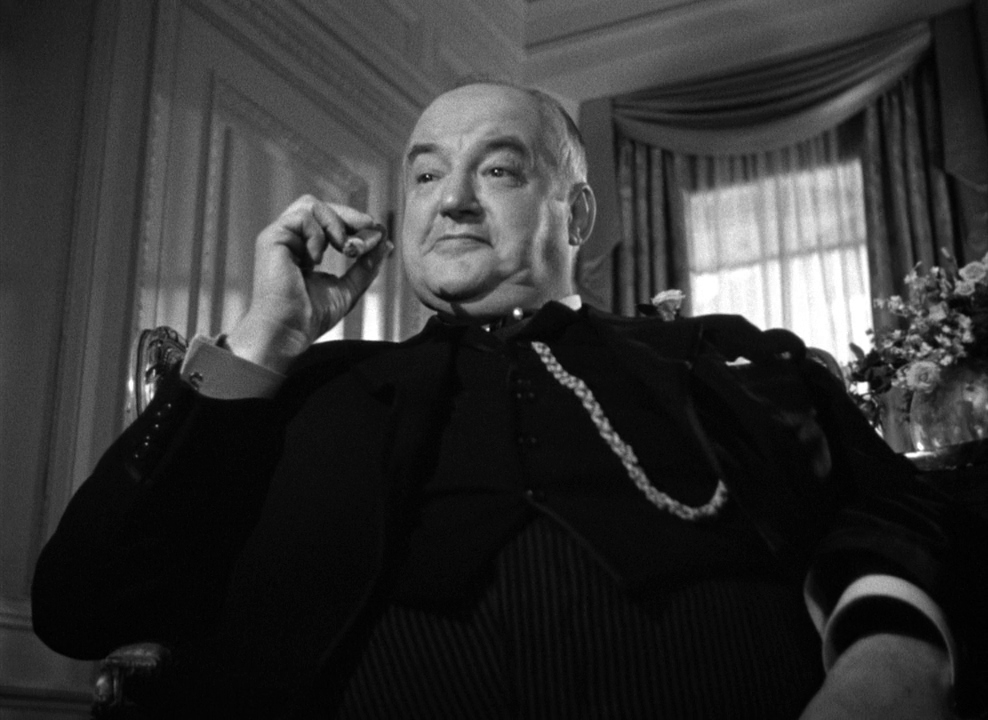
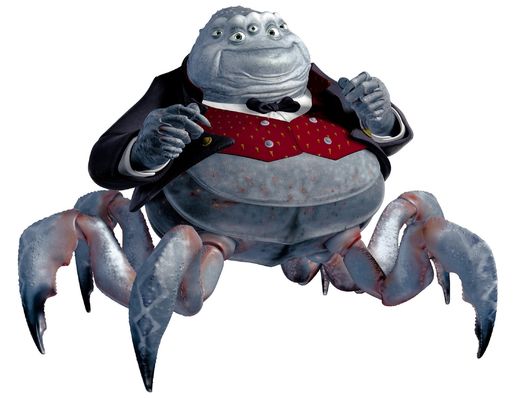
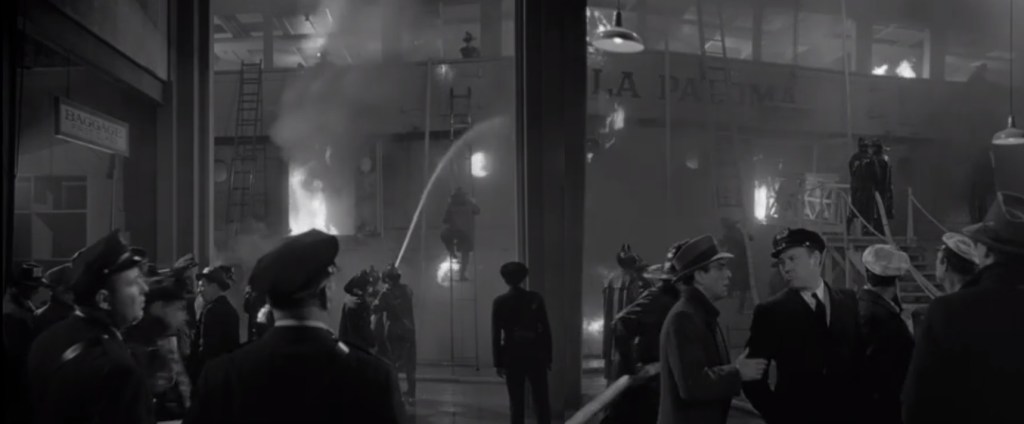
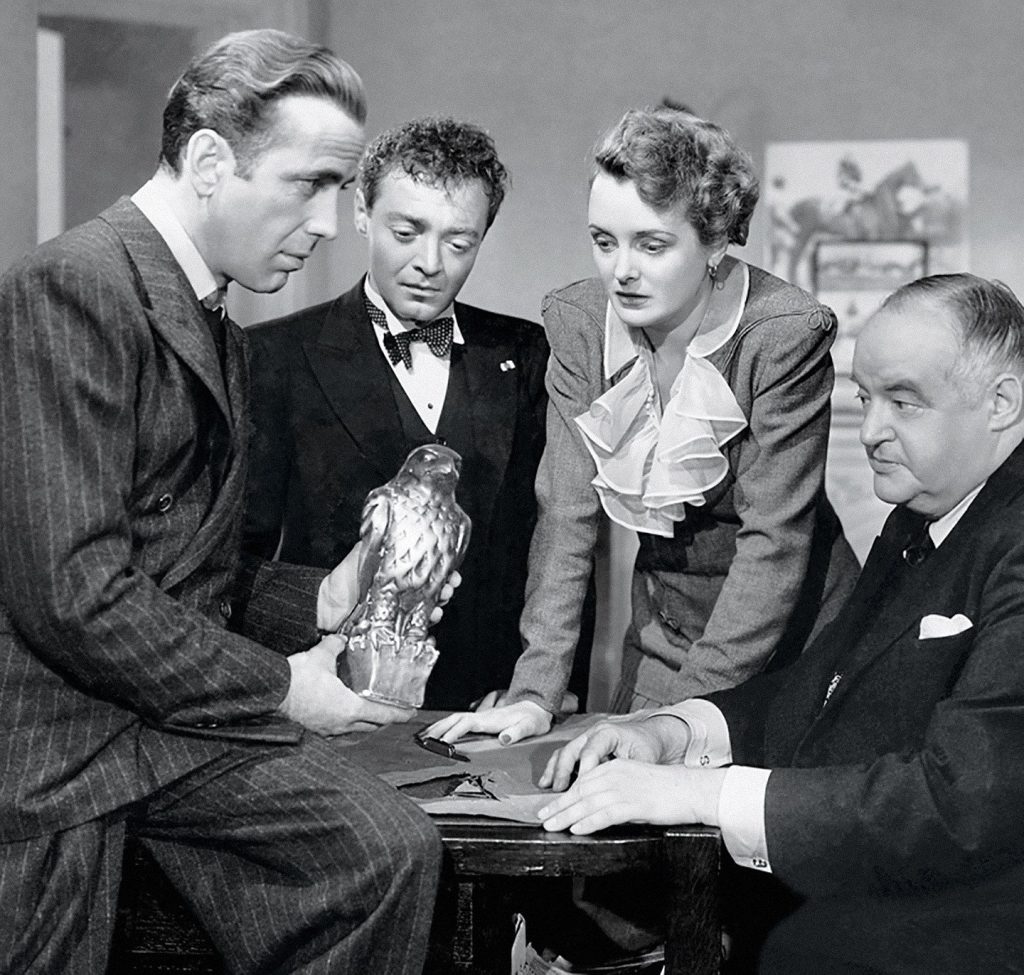
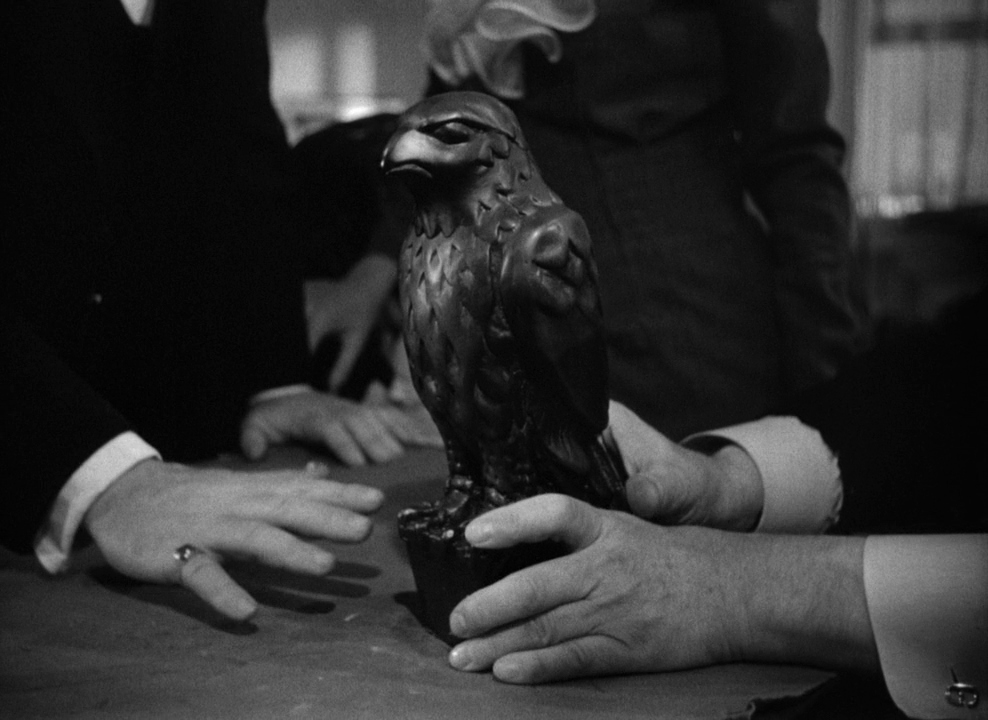
It’s our 30th episode, dollfaces! We watched 1941’s The Maltese Falcon and dug into one of Hollywood’s biggest noir movies. We cover the iconic Humphrey Bogart and his literal presence in our lives, get into the vague history of the MacGuffin storytelling device, talk about how this is an actual mystery we traverse along with Sam Spade, and discuss how no one in the movie is really a good person—not least because everyone’s lying all the time. Katy shares a bonkers (but not so fun) fact concerning the falcon prop’s sculptor, Carrie liked the title treatment’s quotation marks, Maddy draws valid parallels between the “Fat Man” and Professor Slughorn, and Mack did some excellent real detecting and film analysis. We also come up with at least three different spin offs and/or sequels for the Maltese Falcon Cinematic Universe, Mack hosts the first partly-gay Pirate Corner™, we learn about Mary Astor’s secret diaries and what her casting meant to a contemporary audience, discuss the Hayes Code and The Celluloid Closet (again), and get into Guns-As-Penis-Metaphor tropes. We all lean in on our ‘40s radio persona for a bit and lament the lack of pirates and knights after a big title card promise. Give it a listen, baby doll!
TW: discussion of police misconduct, slave trade and piracy, historical views on homosexuality, child molestation
CORRECTIONS:
-There is still a lot of grey area with what exactly constitutes a MacGuffin but we found this- “Macguffins are such that their nature is essentially irrelevant to the proceedings of the plot. It doesn’t especially matter what it is, what it looks like, or what it does, only that it acts as something to pull characters into a plot…a Plot Device is graduated up from a Macguffin and more sophisticated in nature. It’s purpose is not merely to motivate the plot, but also to guide it. This may involve motivating the plot, or it may involve resolving problems within it, or introducing new problems in order to change its direction. A core difference here is that a plot device will very probably be used.” -Source Macguffin Wiki
-Movie genres and terms change and flow and are argued over by film historians and casual podcasters alike. Katy said this was one of the first film noir films and while that is basically accurate there were earlier films like Stranger on the Third Floor (1940) or You Only Live Once (1937) that are also considered “proto-noir” or just noir films. Wiki
-From Wikipedia: “The Motion Picture Production Code was the set of industry moral guidelines for the self-censorship of content that was applied to most United States motion pictures released by major studios from 1934 to 1968…The entire document was written with Catholic undertones, and stated that art must be handled carefully because it could be ‘morally evil in its effects’, and because its ‘deep moral significance’ was unquestionable”.

 Mostly Murder (But Sometimes Not) Podcast